Door Holders & Releases
Magnetic door holders release so fire doors close and stop smoke spreading.
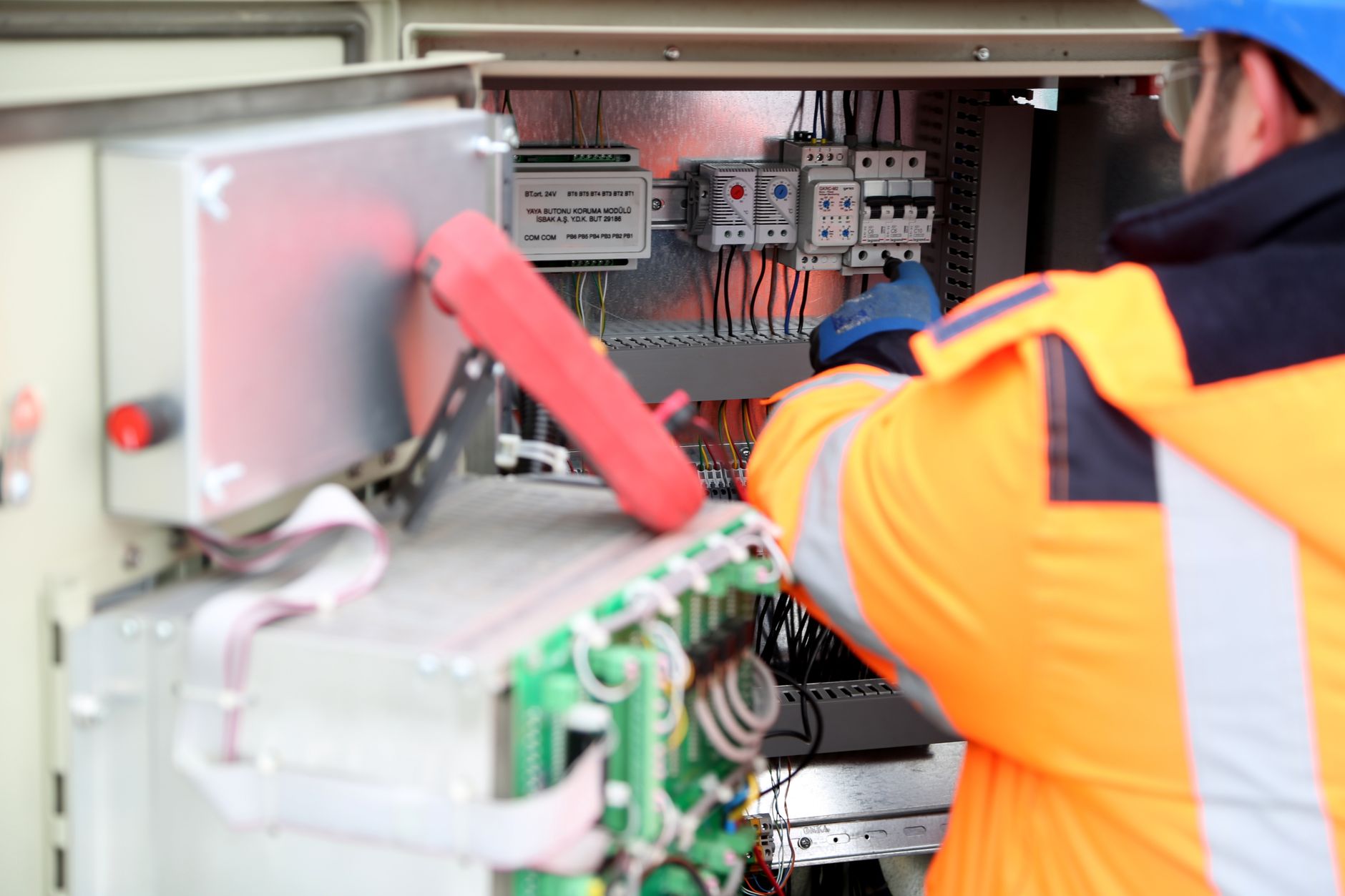
Make sure every part of your fire safety system does exactly what it should when the alarm activates, from releasing doors to shutting down plant.
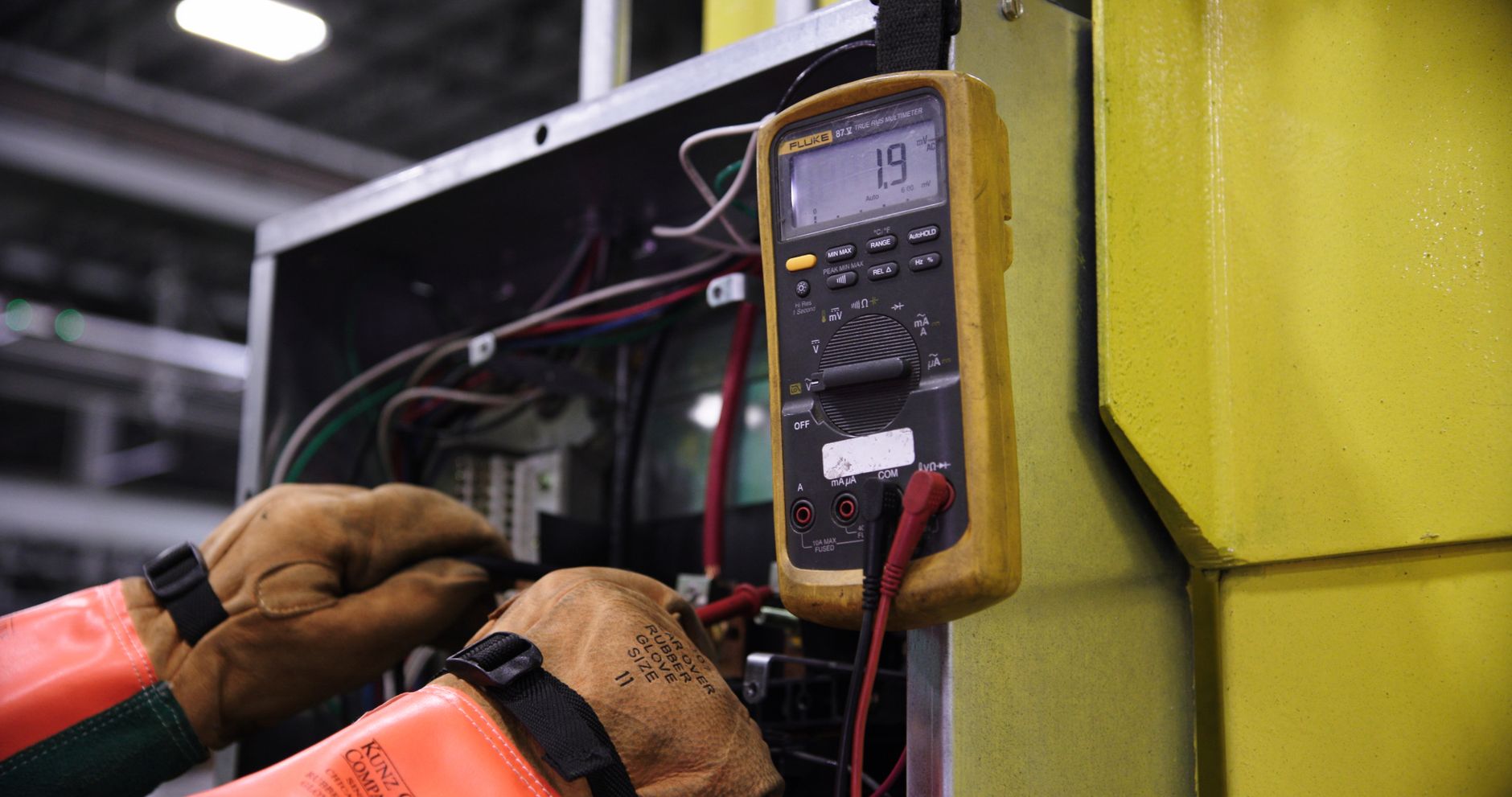
A cause and effect matrix sets out what should happen when each device on your fire alarm activates, such as which sounders go off, which doors release and which lifts return to the ground floor.
As buildings change, these links are often lost or never properly tested. We write, program and test your cause and effect so your fire alarm, door holders, smoke vents, lifts, access control and plant all work together, and give you clear documentation for your records.
We look at your fire strategy, existing system and any documents you already have.
We set out what every device should trigger, and agree it with you before any changes.
We program the panel and test every interface to prove it works as designed.
You get the signed off matrix and test results, and we check it at every service.
Common questions about cause and effect.
Our team is happy to help. Call us on 0330 016 2380 or send us a message.
It should be checked as part of your regular fire alarm servicing, and fully tested whenever the system, the building layout or the way it is used changes. We include interface checks in our service visits.
It is a table that lists every input on your fire alarm, such as a detector, call point or zone, against every output it should trigger, such as sounders, door releases, lift recall, smoke vents or plant shutdown. It is the written rulebook for how your building responds to a fire, and it lets anyone check that the programming matches the fire strategy.
Over time, refits, new tenants, replacement panels and added systems can break or change the links without anyone noticing. A door that does not release, a lift that keeps running or a whole building evacuating when only one area should can all trace back to the cause and effect. Regular checks catch these problems before a real fire does.
In most cases, yes. We review the existing programming and documents, then write or update the matrix and test it. A few panels use locked, manufacturer-only software, and if yours is one of them we will tell you at the start and explain the options so there are no surprises.
A witness test is a full demonstration of the cause and effect in front of the people who need to sign it off, such as your facilities team, fire engineer or building control. We activate devices zone by zone and show each output responding as the matrix says it should, then record the results for your files.
We plan it to keep disruption low. Testing can be scheduled out of hours, occupants are warned in advance, and we agree with you which outputs, such as the alarm receiving centre link or lifts, need to be isolated or managed during the test. Everything is restored and checked before we leave.
BS 5839-1 covers the fire alarm itself, and the BS 7273 series covers how it operates other fire safety systems, including Part 4 for door release mechanisms. Your building's fire strategy sets out what each interface must do, and we test against both so the system works as the designers intended.
Tell us about your fire alarm and the systems linked to it, such as doors, vents, lifts or plant. A member of our team will get back to you within one working day with clear, no obligation advice. For emergencies, call our 24 hour line.
From emergency lighting to fire risk assessments, everything you need to keep your building safe and compliant.
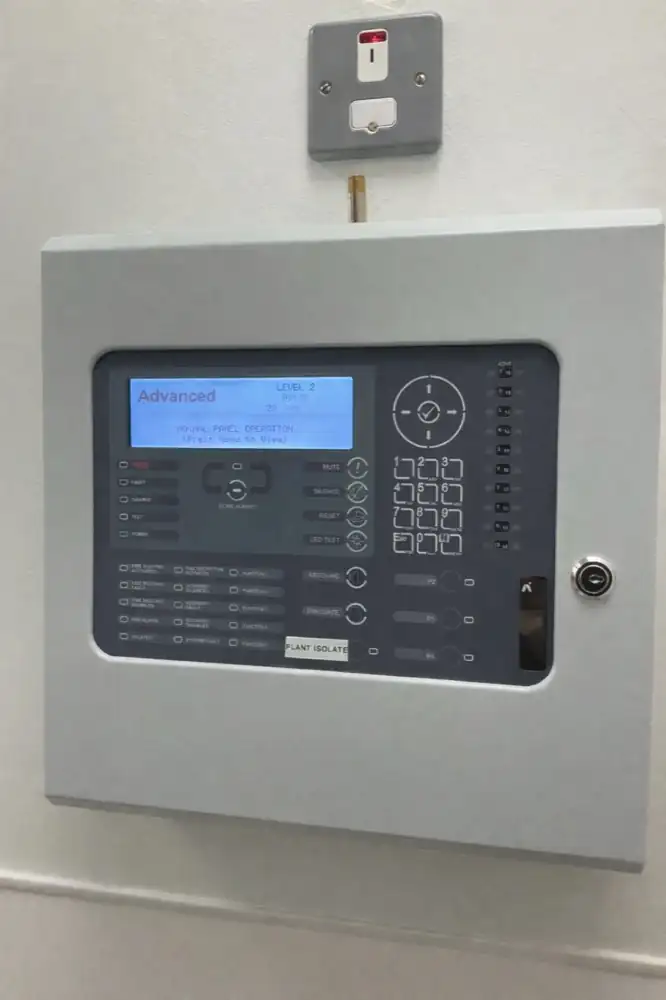
Fire alarms designed, installed and serviced to BS 5839 for the earliest possible warning.
View fire alarms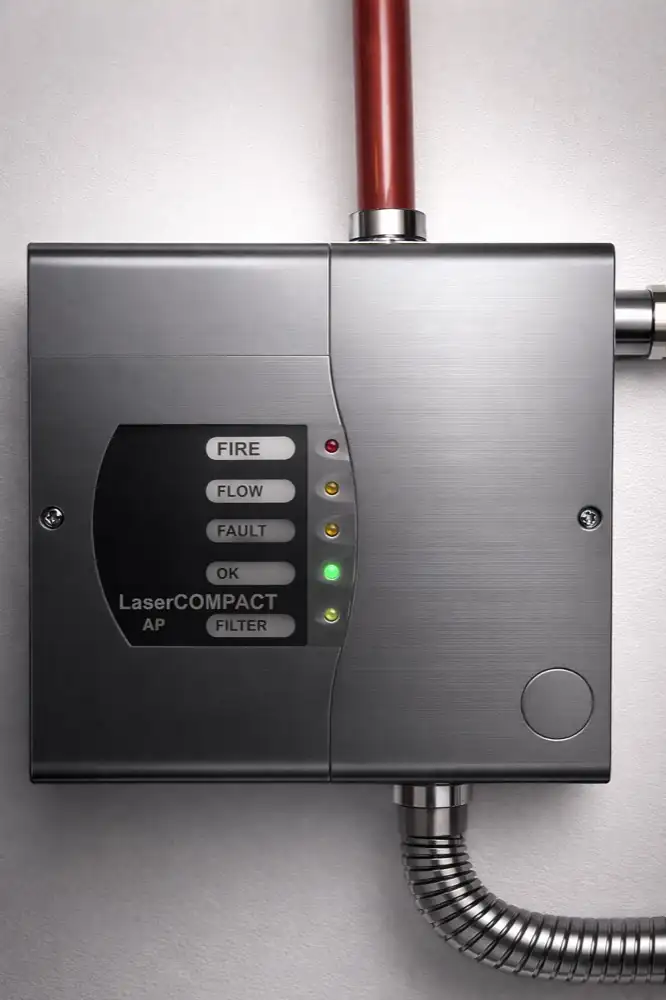
Air sampling detection that picks up smoke long before a standard detector, ideal for critical spaces.
View aspirating detection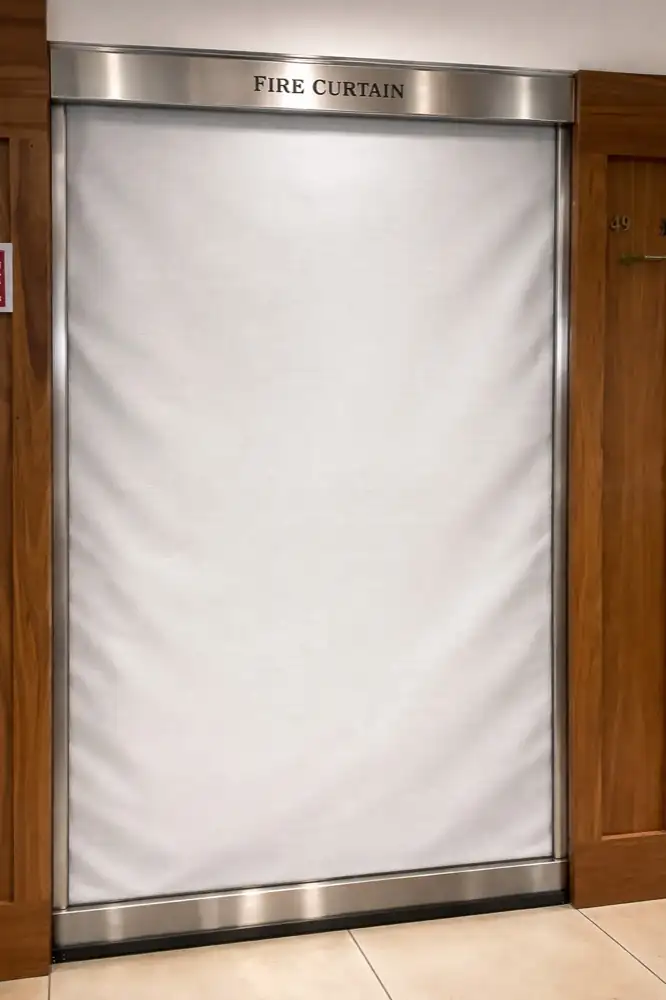
Automatic curtains and shutters that hold back fire and smoke while keeping open layouts open.
View fire curtains
Clear, practical assessments that show exactly where you stand and what needs doing.
View fire risk assessments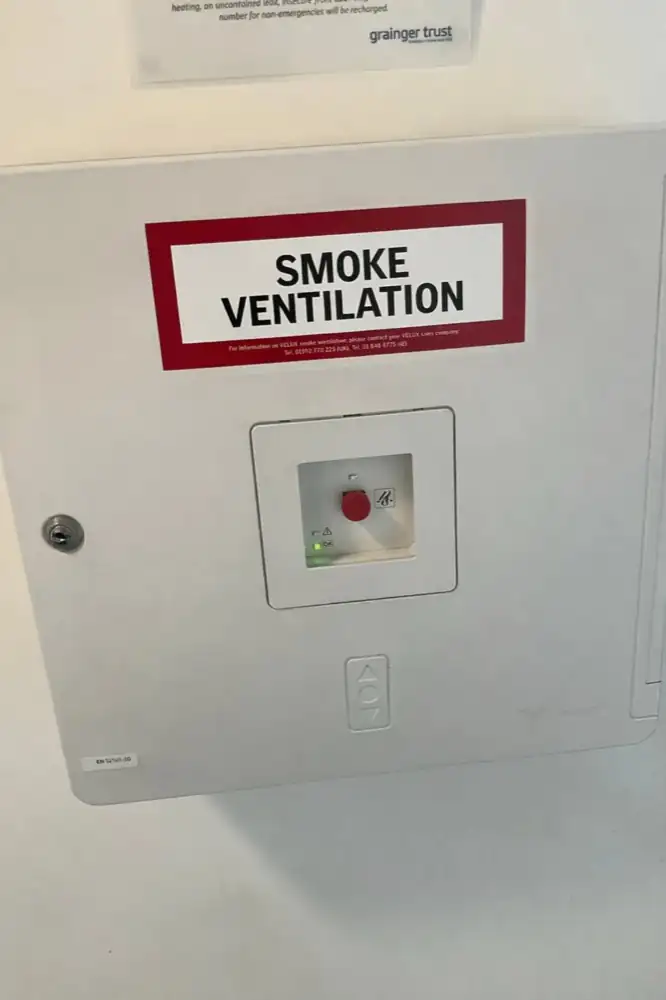
Automatic opening vents that clear smoke from stairwells and corridors, keeping escape routes usable.
View smoke vents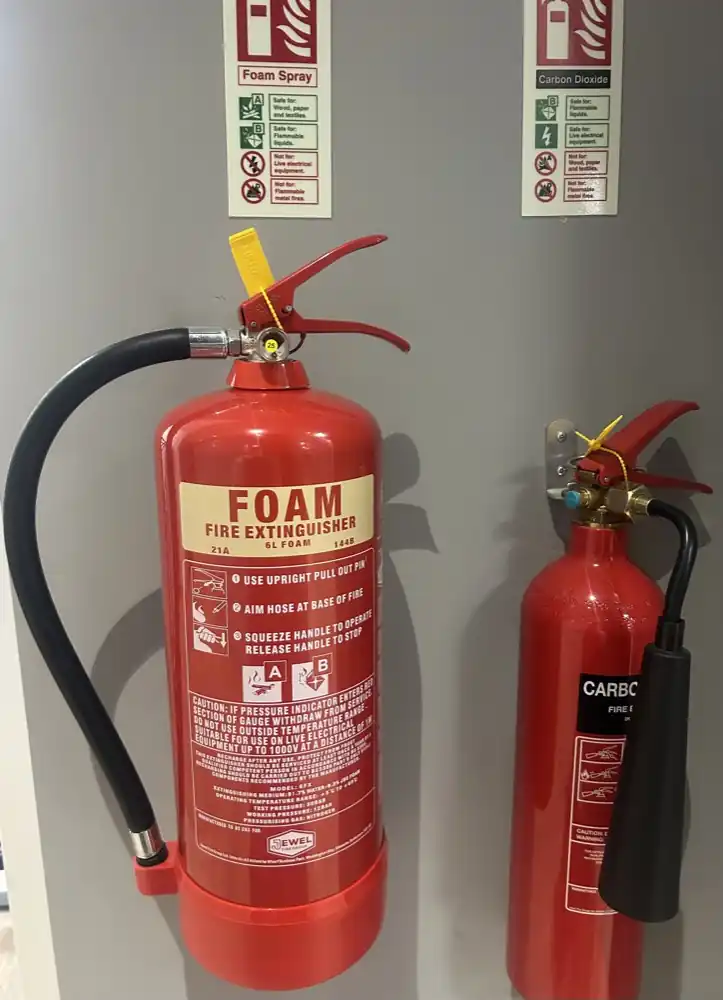
The right extinguishers for your risks, supplied, fitted and serviced every year.
View fire extinguishers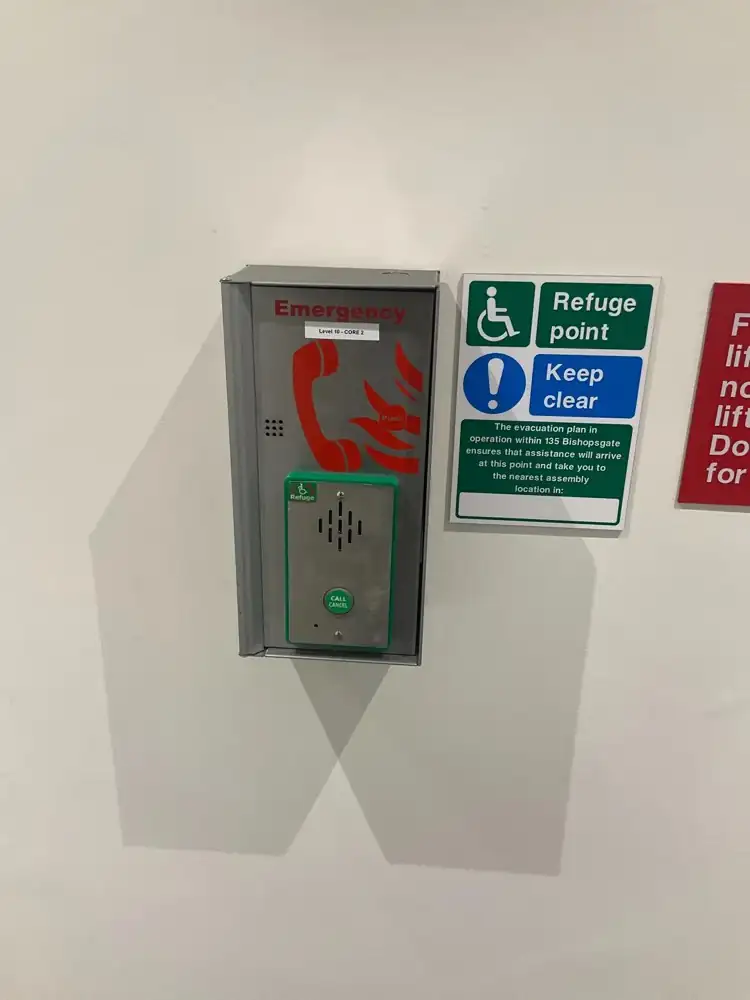
Two-way emergency voice communication so anyone waiting in a refuge can always reach help.
View refuge systems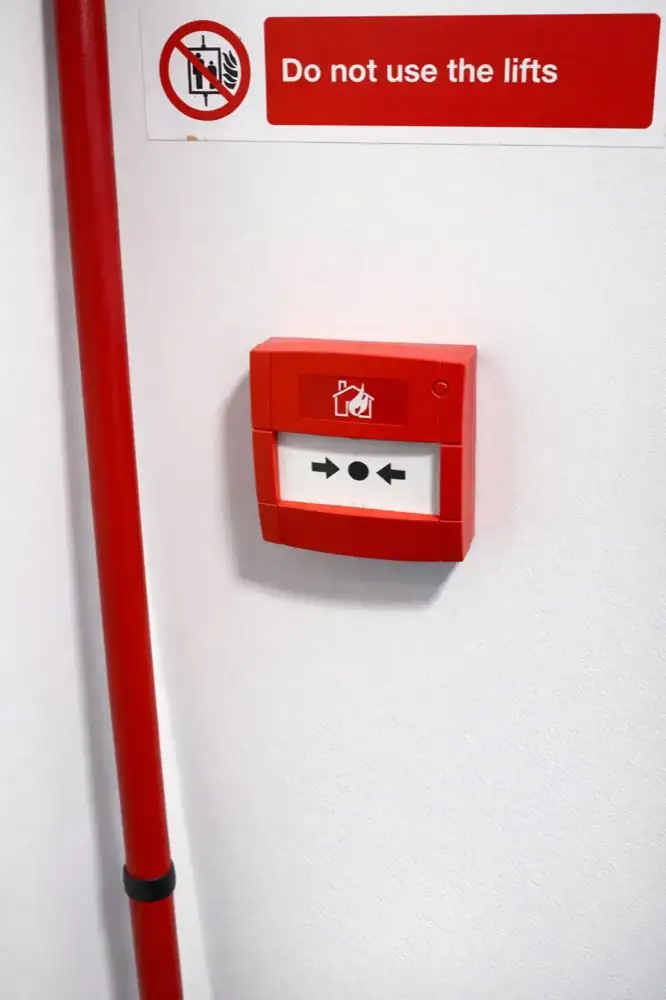
Weekly call point tests carried out and logged for you, so the checks never get missed.
View weekly testing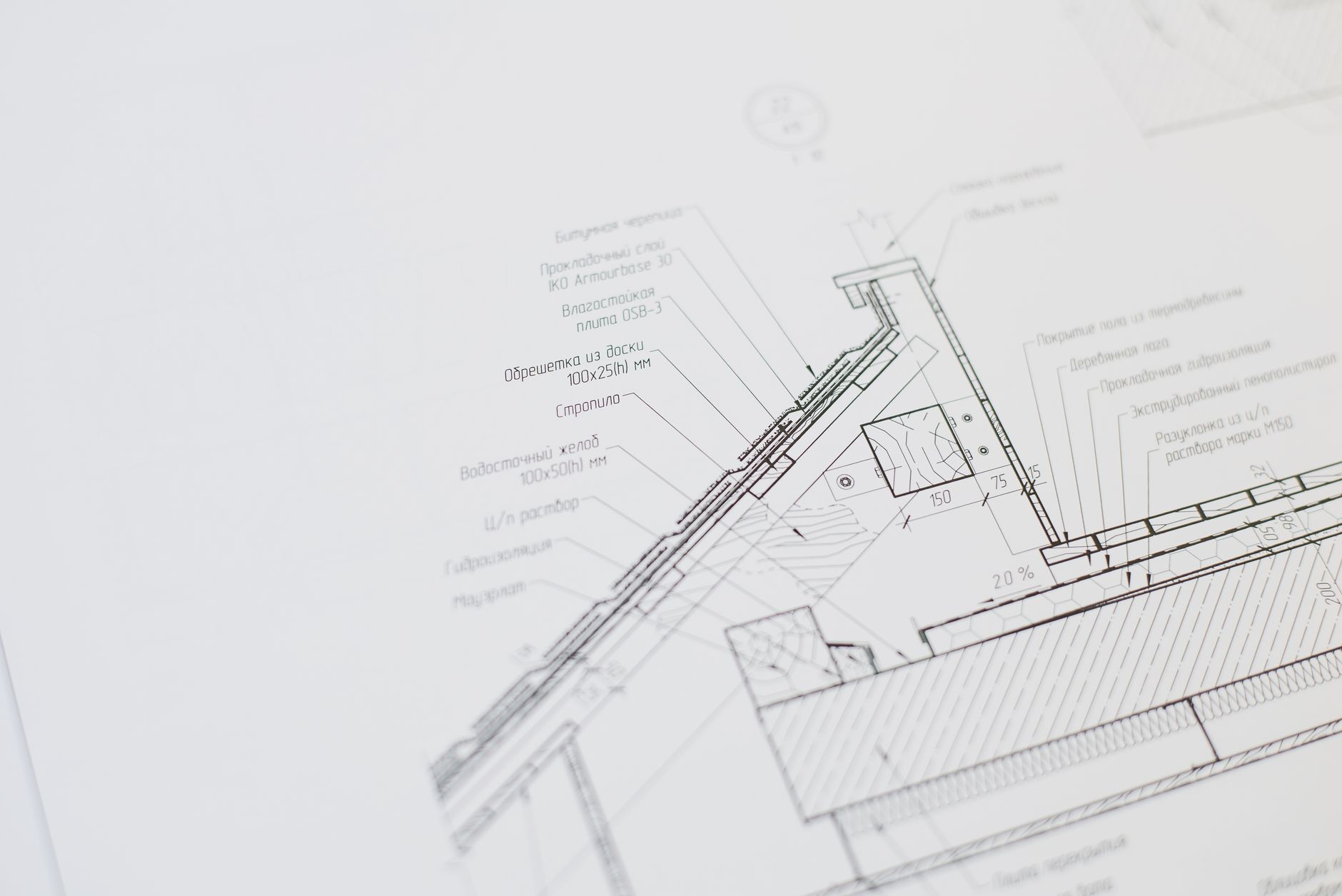
Clear zone plans beside your panel that show responders exactly where an alarm came from.
View zone charts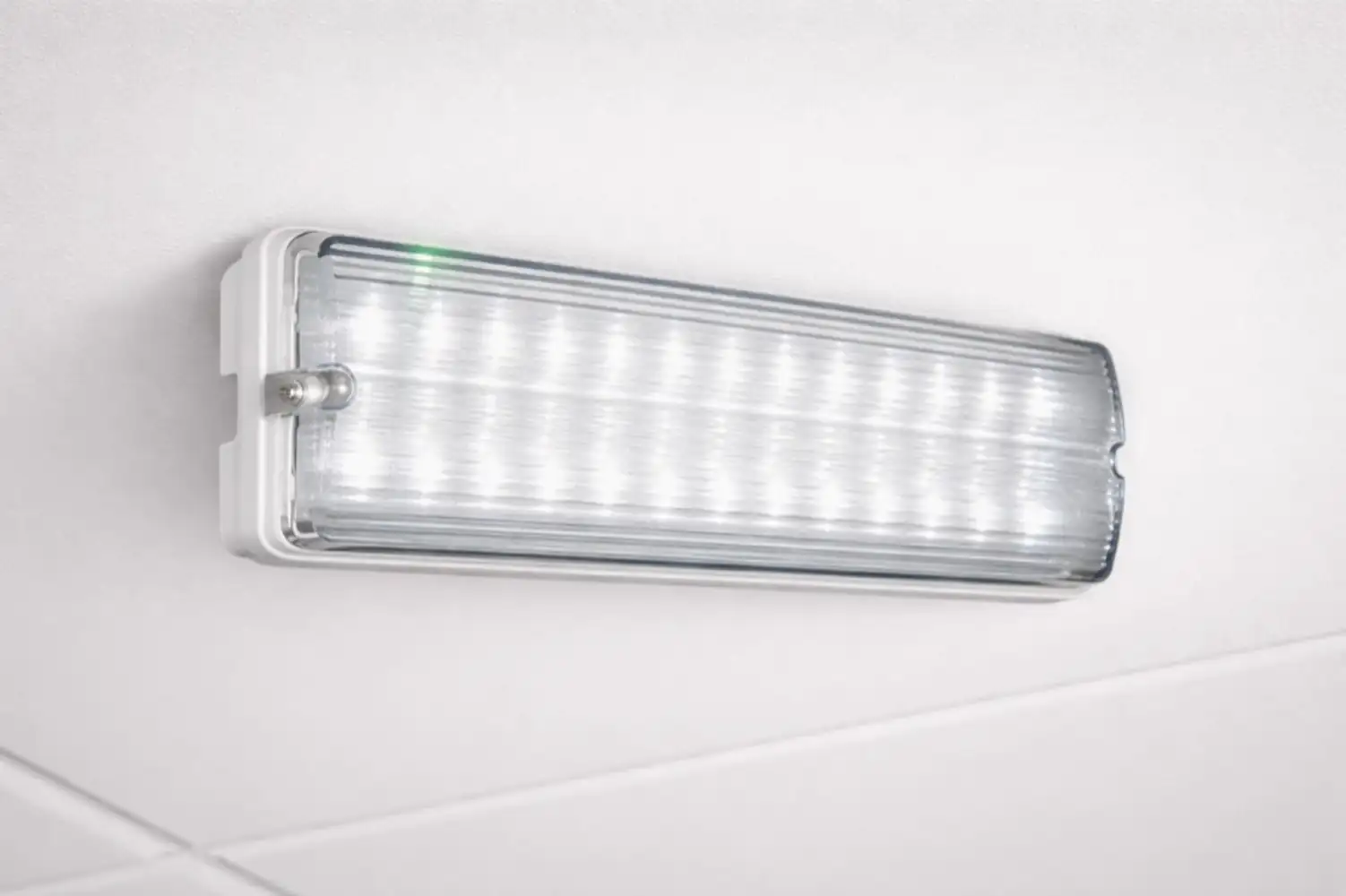
Escape routes lit and tested to BS 5266, so everyone can get out if the power fails.
View emergency lighting
Wired, wireless and monitored alarms that protect your building, stock and people.
View intruder alarms
HD and 4K cameras with secure recording and remote viewing from your phone.
View CCTV
Sensors and alerts that catch escaping water before it damages your building.
View leak detection
Quick, tidy fixes for the actions raised in assessments, inspections and service visits.
View remedial works