Server & Comms Rooms
Protect critical IT equipment from water under raised floors and around air conditioning.
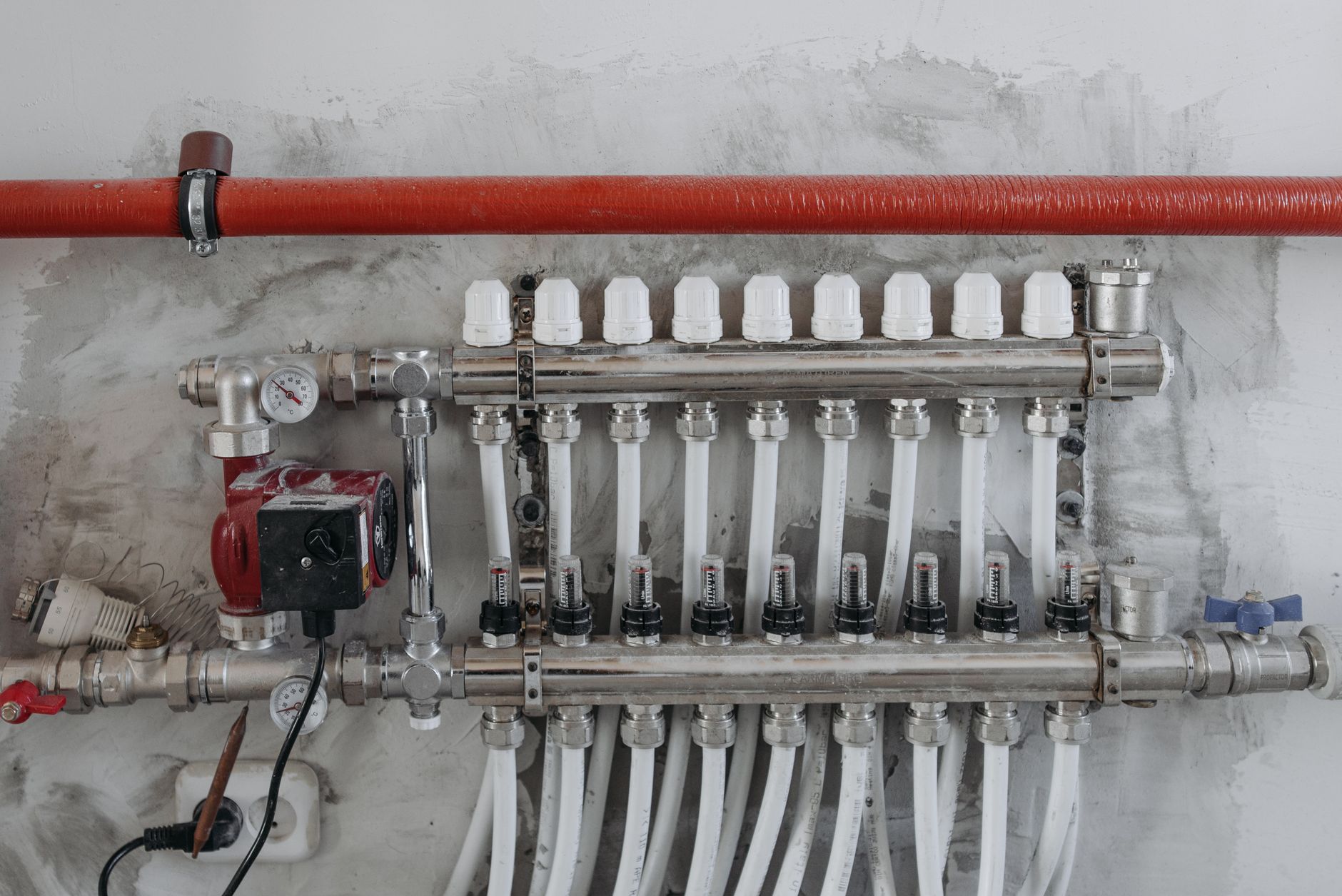
Water leak detection that spots escaping water early and alerts you straight away, before it damages your building, your equipment or the floors below.
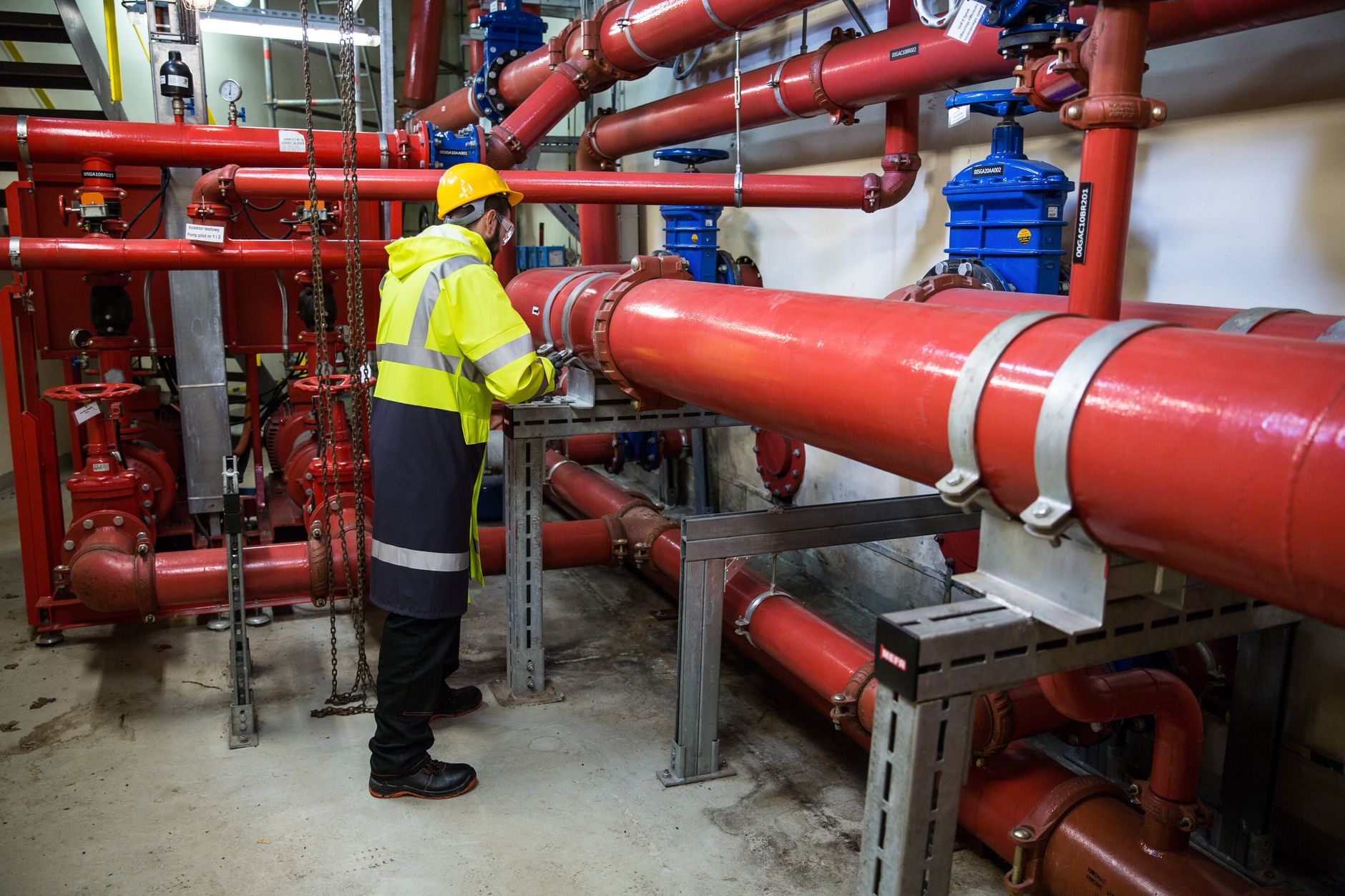
Escape of water is one of the most common causes of building insurance claims, and leaks in risers, plant rooms and ceilings often go unnoticed until the damage is done.
Our leak detection systems use sensors and sensing cable to pick up water the moment it appears, then raise an alarm, send alerts or shut off the supply automatically. We design, install and maintain systems for blocks of flats, offices, server rooms and plant rooms.
We find where leaks are most likely and where they would do the most damage.
You get a clear, fixed quote for a system planned around your building.
We install the sensors, cable and alarms, then test that every zone alerts correctly.
Regular checks keep sensors clean, connected and ready to alert you.
Common questions about leak detection.
Our team is happy to help. Call us on 0330 016 2380 or send us a message.
We recommend a service at least once a year to test every sensor, check the cable and alarms, and make sure alerts still reach the right people.
Point sensors and lengths of sensing cable are laid where water is likely to collect. When water touches them, the electrical signal changes and the control panel raises an alarm. Cable based systems can also show how far along the cable the leak is, so you can find it quickly, even in a long riser or under a raised floor.
At the lowest points where water would gather first, and close to anything that holds or carries water. Typical spots are around tanks, pumps, boilers and air conditioning units, under sinks and appliances, along pipe runs in risers and ceiling voids, and beneath raised floors in server rooms. Our survey identifies the areas where a leak would cost you the most.
Yes. Most leak detection panels have outputs that connect to a building management system, an intruder alarm or a remote monitoring service, so an alert reaches someone even when the building is empty. They can also trigger a solenoid valve to shut off the water supply automatically.
You choose. The panel can sound a local alarm, send email or text alerts to named contacts, notify your managing agent or maintenance team, or pass the signal to a 24 hour monitoring centre. We set up the alert routes during commissioning and test them so each one reaches the right person.
Some insurers offer better terms, or lower excesses for escape of water claims, where leak detection is fitted, particularly in blocks of flats and buildings with server rooms. It is worth asking your broker, and we can provide the system details and service records they will want to see.
Good systems are designed to tell the difference between a drip of condensation and standing water, and the sensitivity can be adjusted on site. We also position sensors away from known condensation points, such as directly under cold pipes, to keep nuisance alerts to a minimum.
Tell us about the building and the areas you are worried about, such as a server room, plant room or riser. We will get back to you within one working day with practical advice and a clear, no obligation quote.
From emergency lighting to fire risk assessments, everything you need to keep your building safe and compliant.
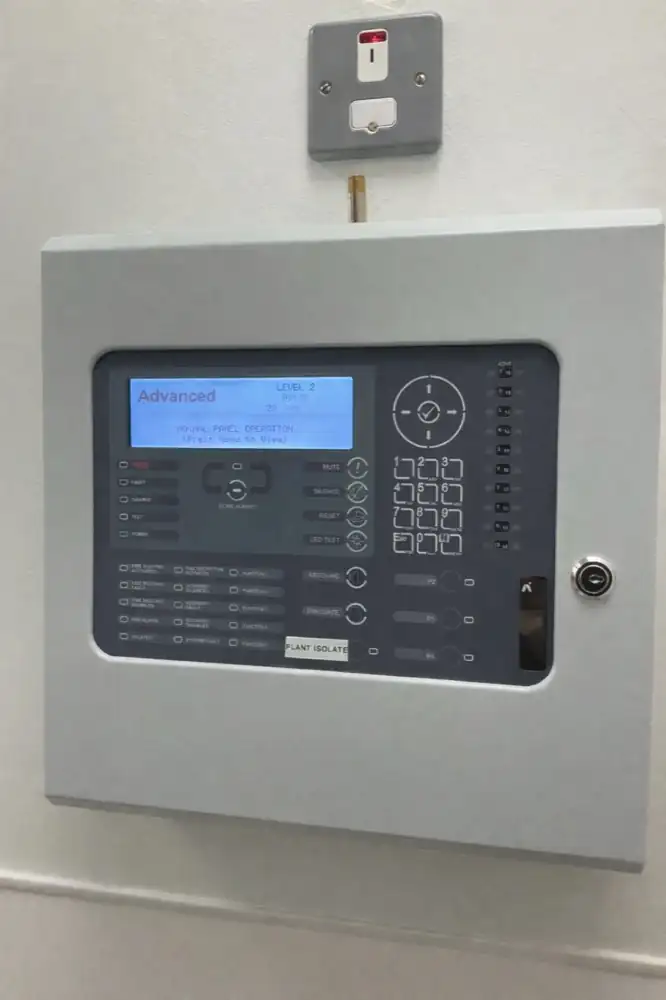
Fire alarms designed, installed and serviced to BS 5839 for the earliest possible warning.
View fire alarms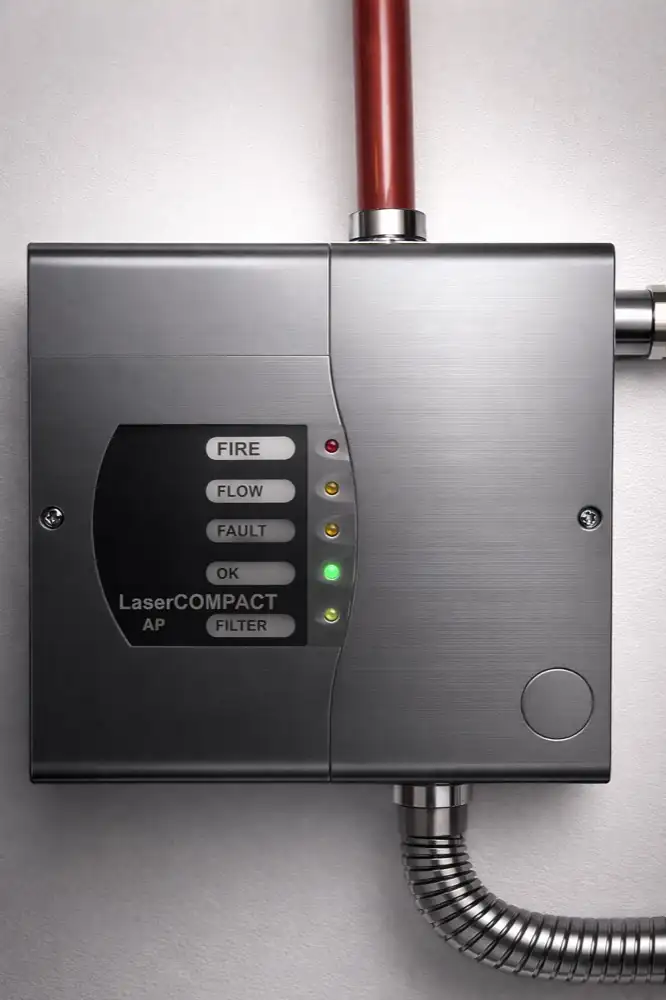
Air sampling detection that picks up smoke long before a standard detector, ideal for critical spaces.
View aspirating detection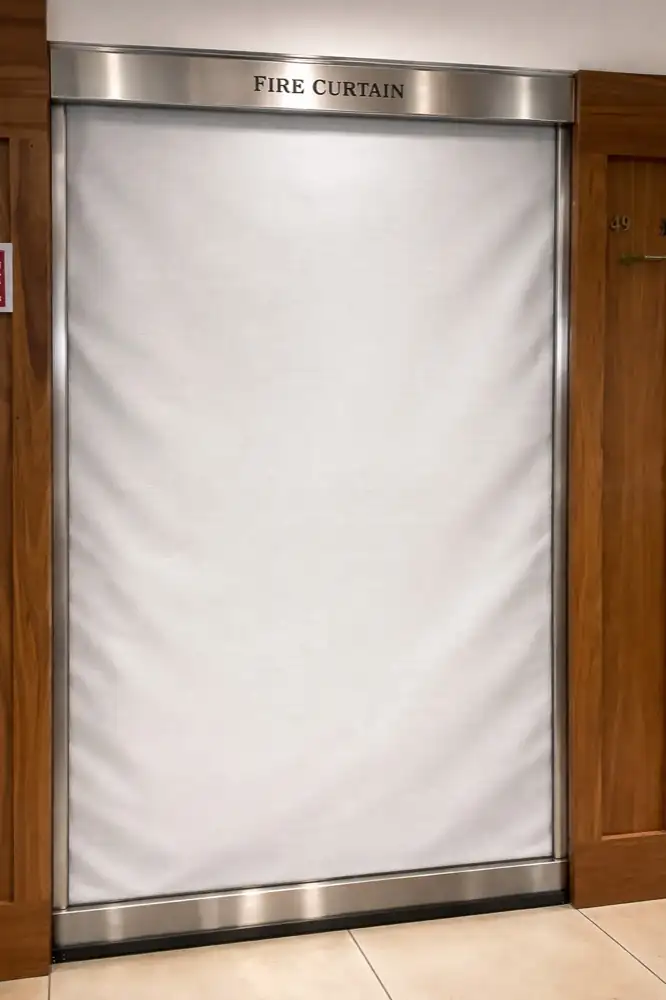
Automatic curtains and shutters that hold back fire and smoke while keeping open layouts open.
View fire curtains
Clear, practical assessments that show exactly where you stand and what needs doing.
View fire risk assessments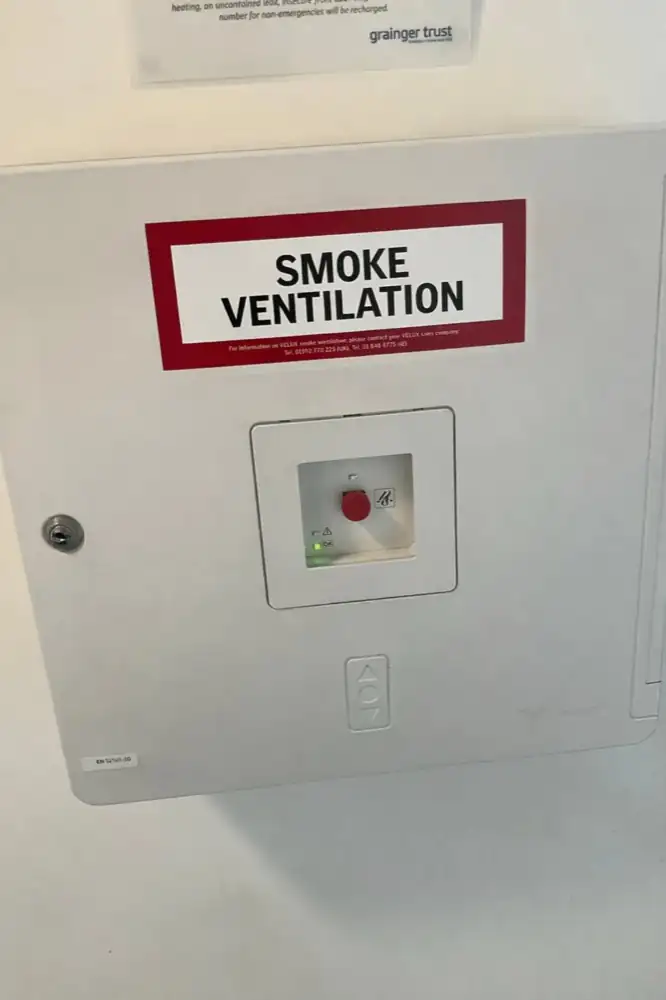
Automatic opening vents that clear smoke from stairwells and corridors, keeping escape routes usable.
View smoke vents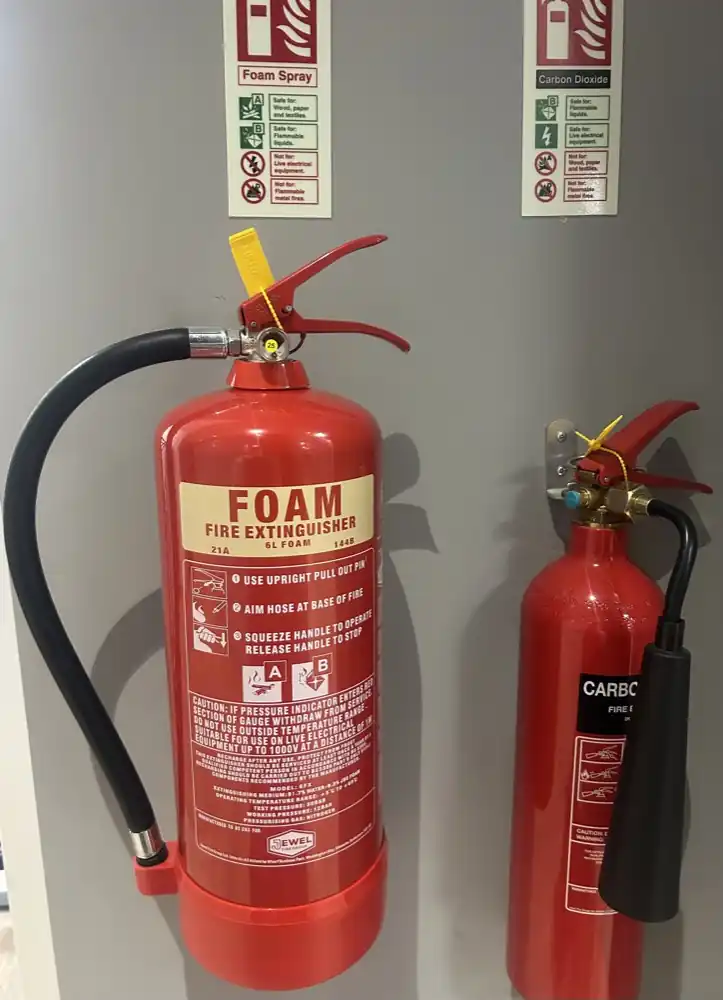
The right extinguishers for your risks, supplied, fitted and serviced every year.
View fire extinguishers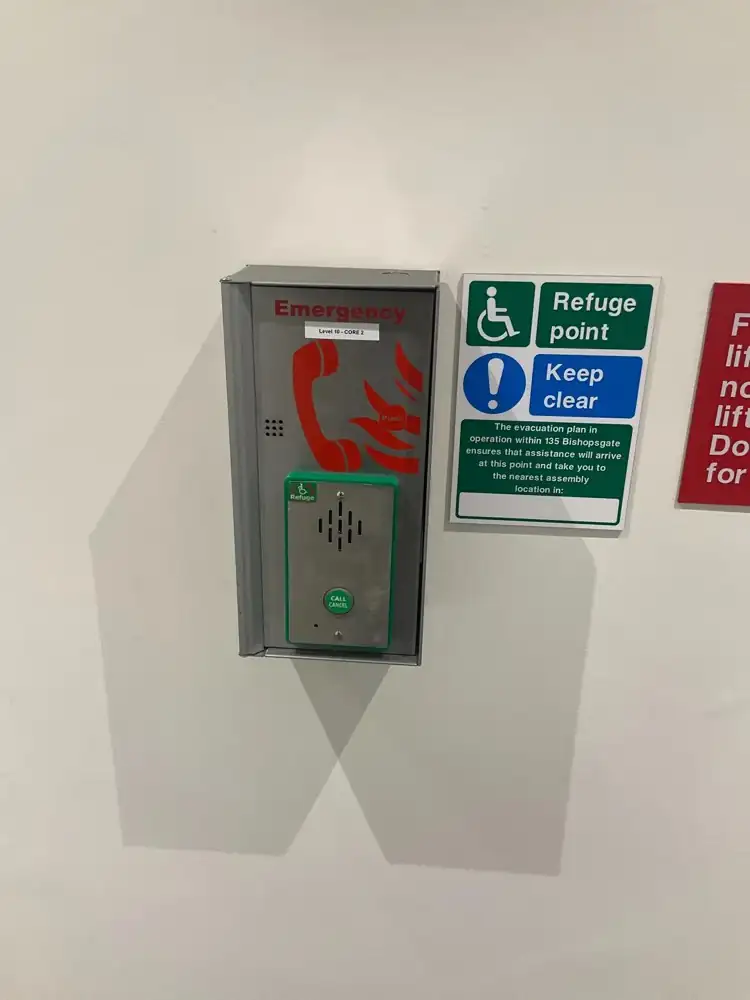
Two-way emergency voice communication so anyone waiting in a refuge can always reach help.
View refuge systems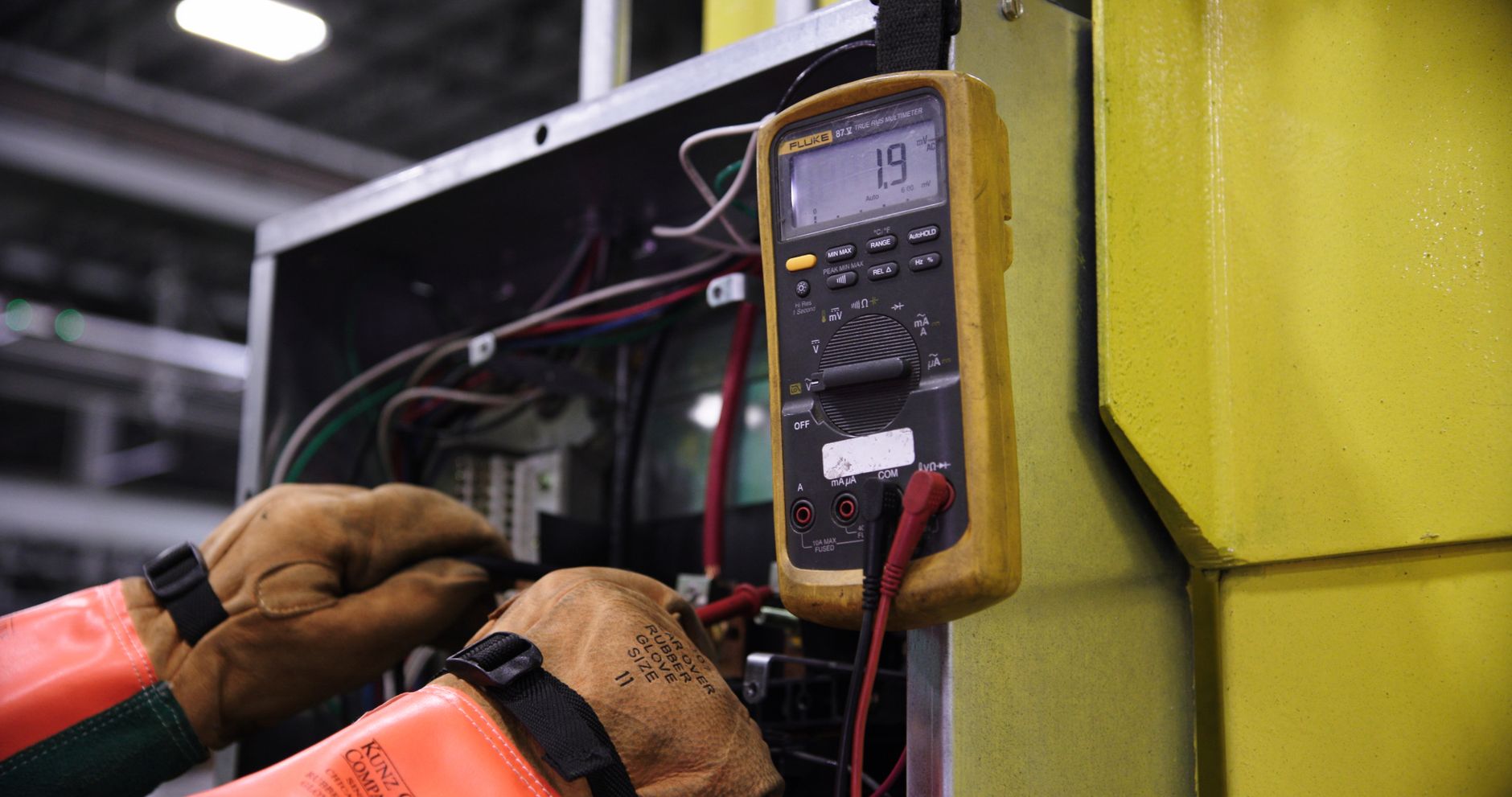
Your alarm, doors, vents, lifts and plant programmed and tested to respond together.
View cause and effects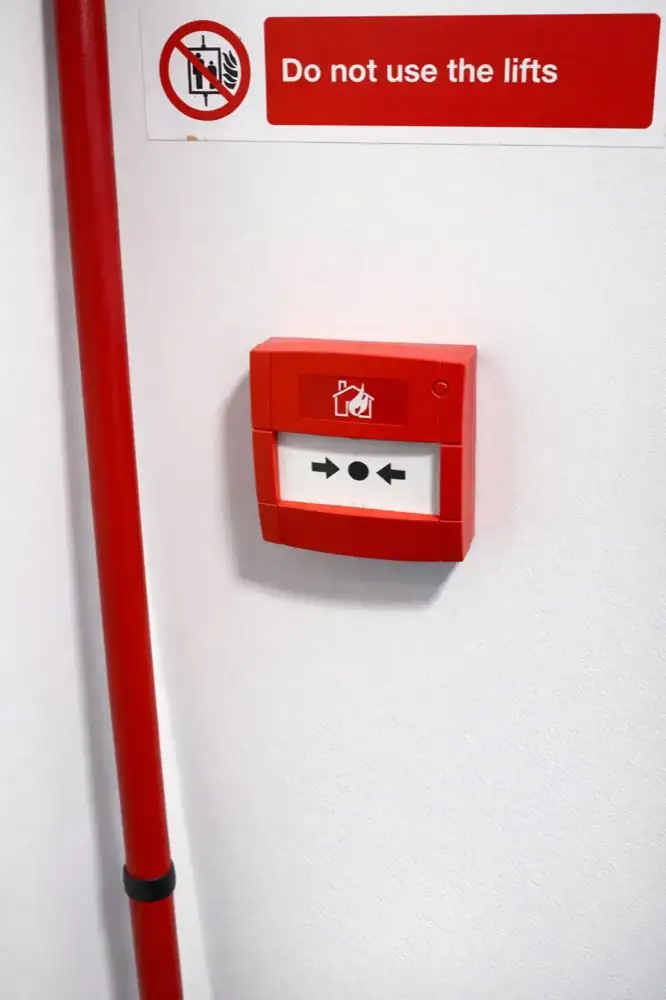
Weekly call point tests carried out and logged for you, so the checks never get missed.
View weekly testing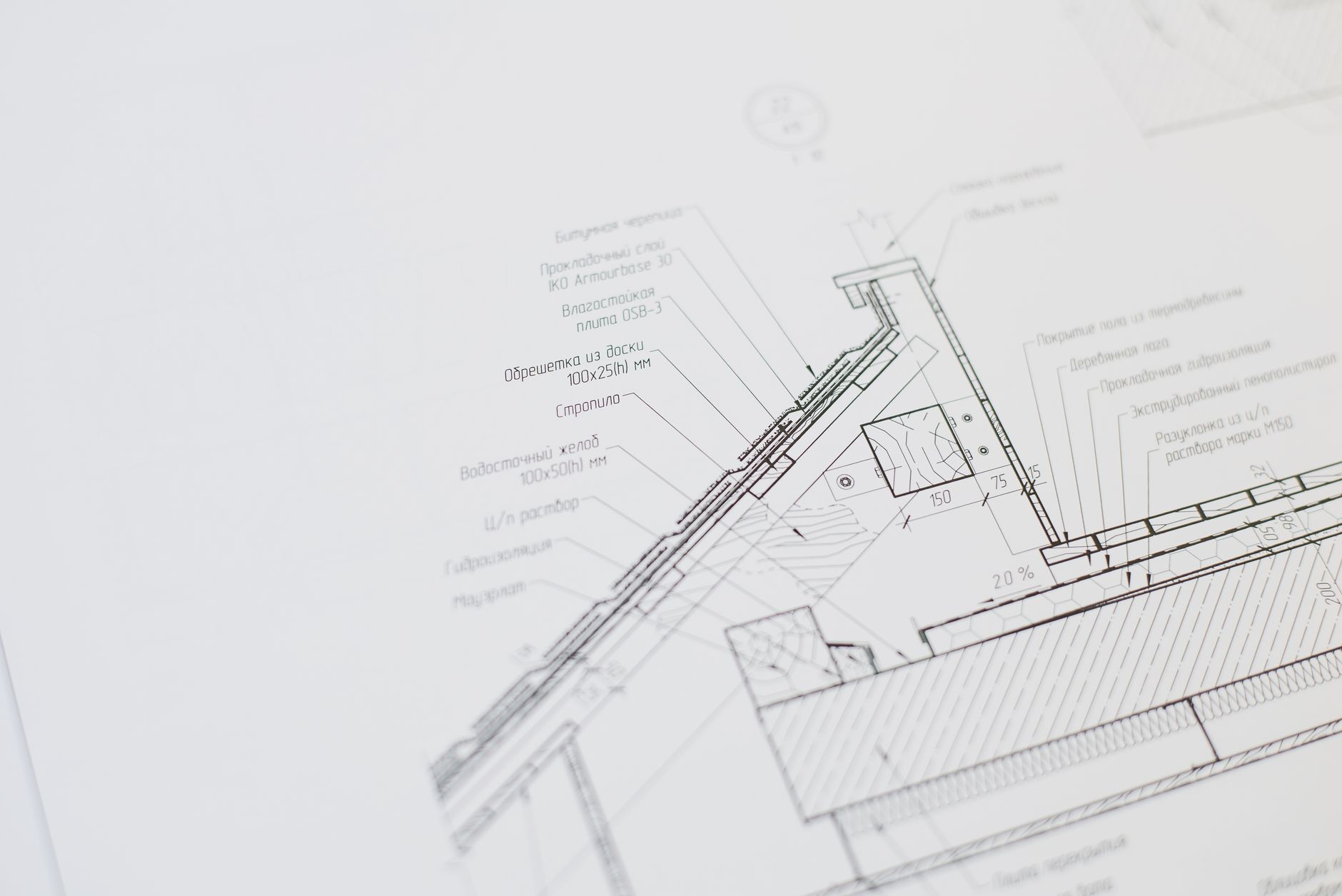
Clear zone plans beside your panel that show responders exactly where an alarm came from.
View zone charts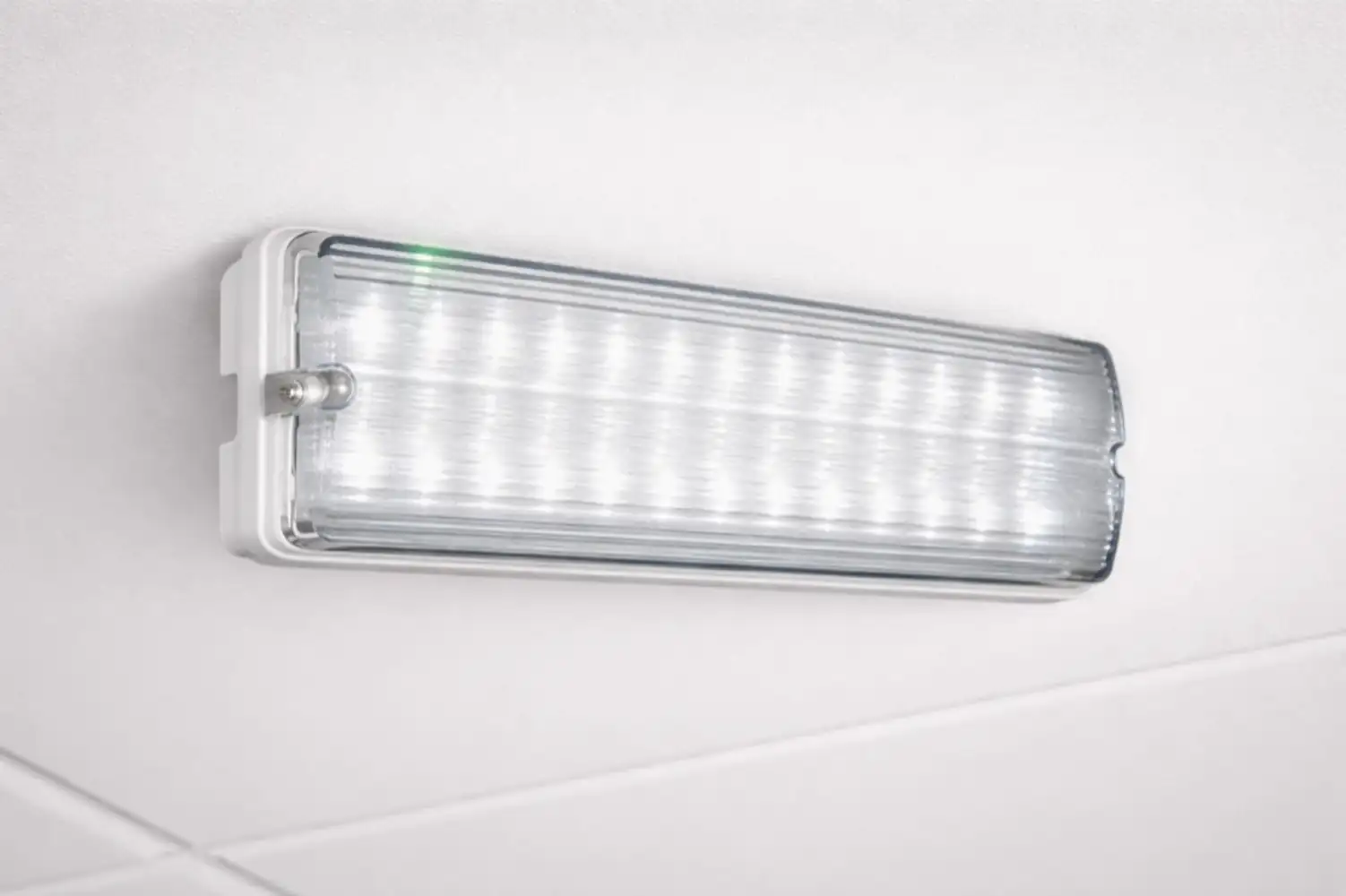
Escape routes lit and tested to BS 5266, so everyone can get out if the power fails.
View emergency lighting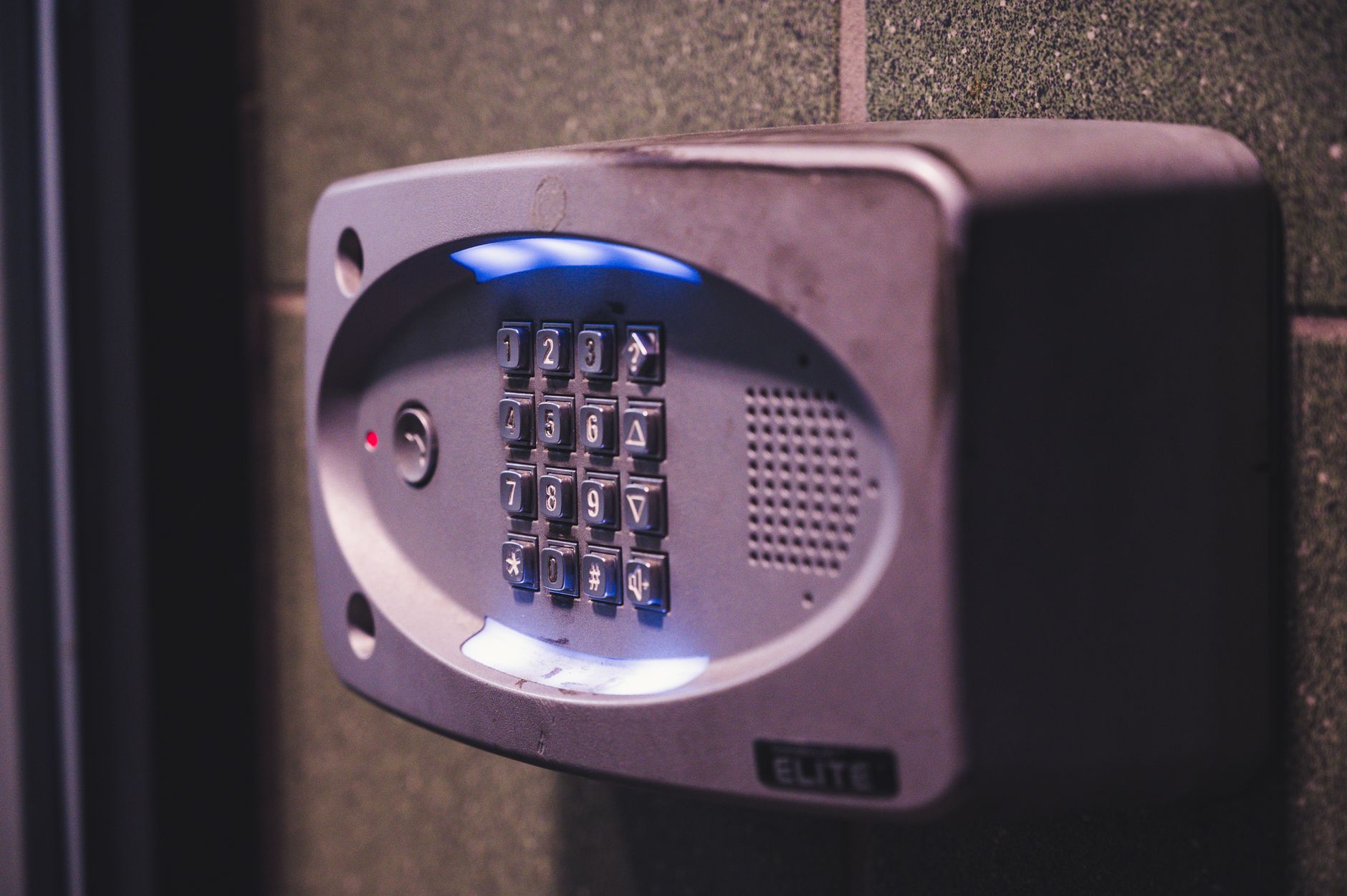
Wired, wireless and monitored alarms that protect your building, stock and people.
View intruder alarms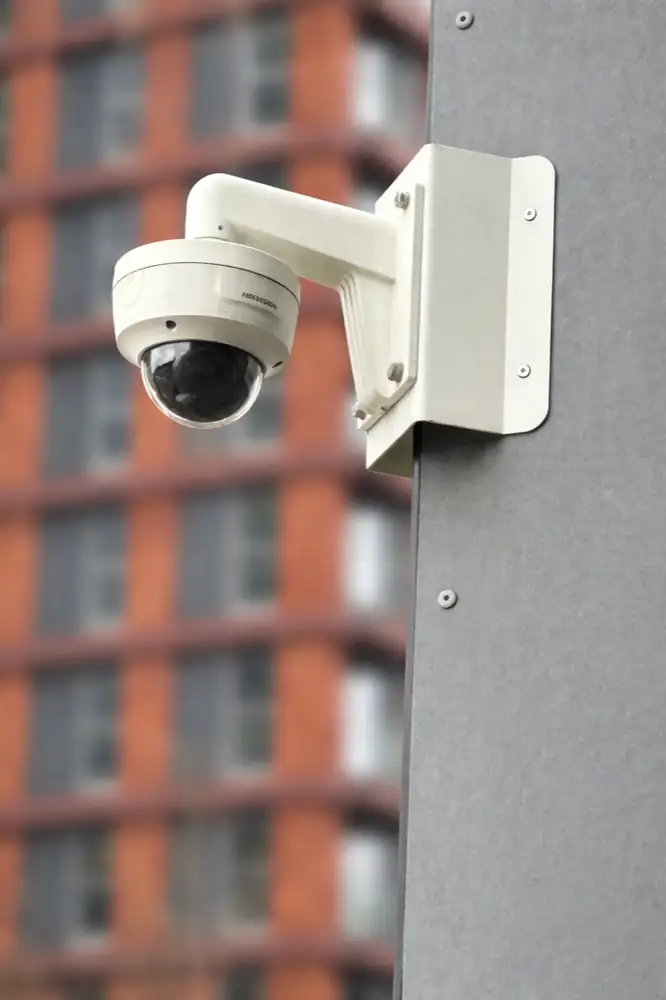
HD and 4K cameras with secure recording and remote viewing from your phone.
View CCTV
Quick, tidy fixes for the actions raised in assessments, inspections and service visits.
View remedial works