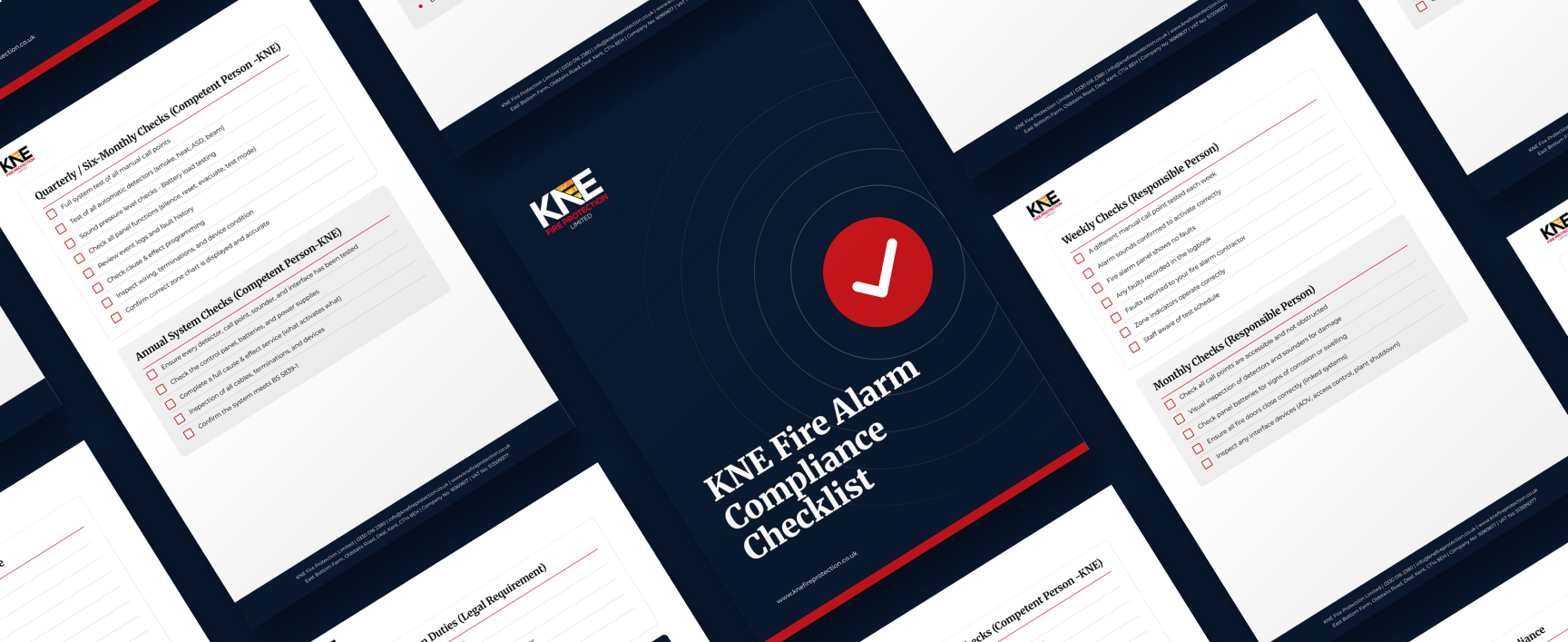
Maintained Fittings
Lights that stay on all the time and keep working in a power cut, ideal for venues and public areas.
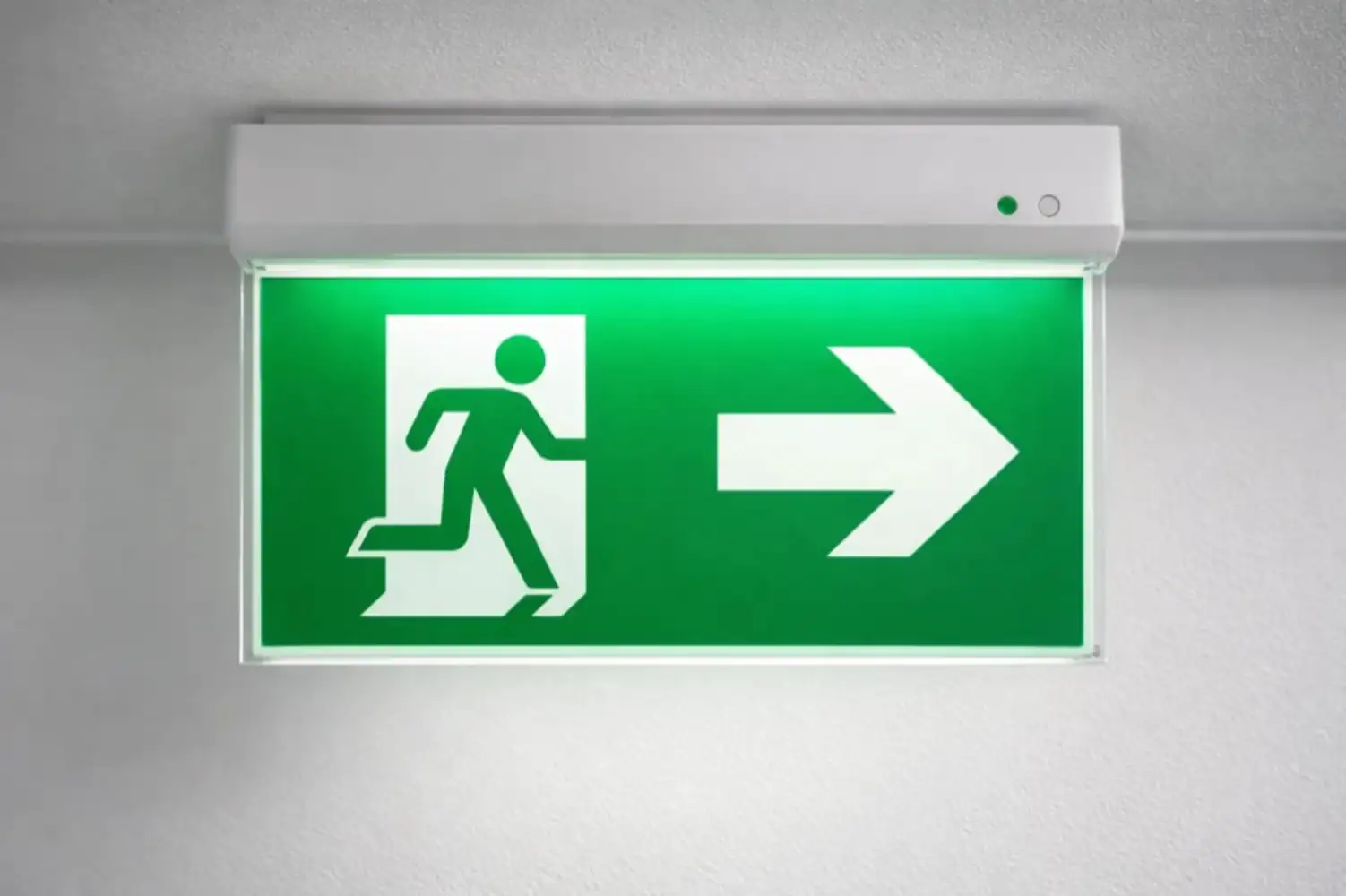
Emergency lighting designed, installed and tested to BS 5266, so escape routes stay lit and everyone can get out safely if the power fails.
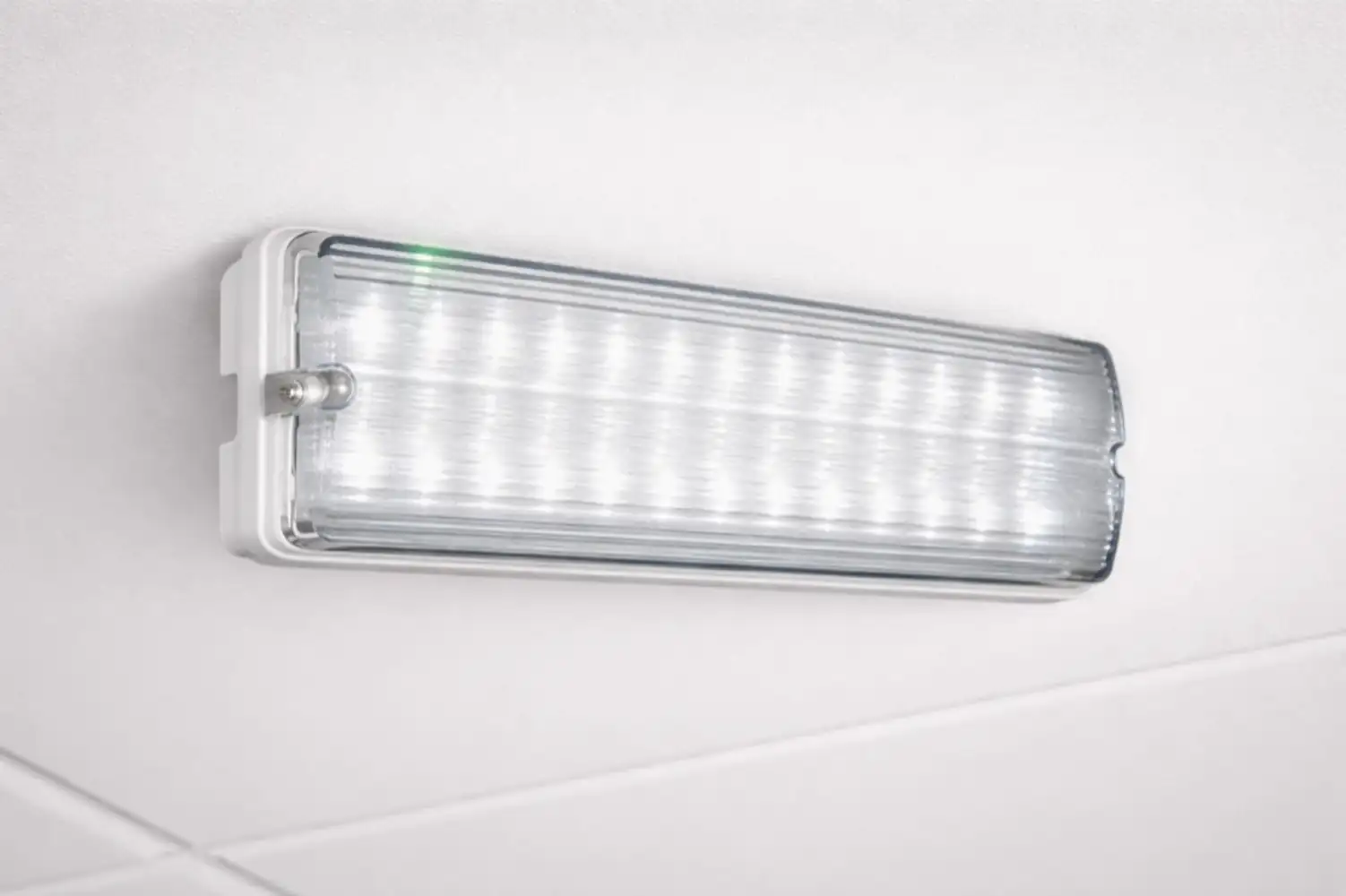
If the mains power fails during a fire or emergency, emergency lighting comes on automatically to light escape routes, exits and safety equipment.
It is needed in most non-domestic buildings and the common areas of blocks of flats, and it must be tested regularly to prove it works. We design, install, test and maintain systems to BS 5266-1, from single fittings to central battery systems, and keep your records up to date.
We check your escape routes, exits and existing lighting to see what you need.
You get a clear, fixed quote for a system designed around your building.
We install and commission the system, then issue your certificate.
Monthly function tests and an annual full duration test, all recorded in your logbook.
Common questions about emergency lighting.
Our team is happy to help. Call us on 0330 016 2380 or send us a message.
BS 5266-1 recommends a short function test every month and a full three hour duration test once a year, with the results recorded in your logbook. We can carry out both for you.
Almost certainly, if you are responsible for a workplace, a building open to the public or the common parts of a block of flats. The Fire Safety Order requires escape routes to be lit if the normal lighting fails, and your fire risk assessment should confirm where emergency lighting is needed. Rooms with no natural light and routes used after dark are the usual priorities.
A maintained fitting is on all the time and stays lit when the power fails, which is why it is used in cinemas, theatres and other places where people are present in low light. A non-maintained fitting stays off until the mains supply fails, then switches on from its battery. Non-maintained is the most common choice for offices, schools and residential common areas.
We record the failure in your logbook and let you know straight away. The usual fix is a new battery, but older fittings may need replacing altogether, often with a longer lasting LED version. Until it is repaired, your fire risk assessment may call for temporary measures, such as extra torches on that route.
Most systems are designed to last three hours, which is the standard expected in the majority of buildings and is what the annual duration test checks. In a few premises that are evacuated straight away and not reoccupied, one hour can be acceptable, but three hours gives far more flexibility.
Along every escape route and at each exit, plus anywhere there is a change of direction or level, such as stairs and corners. It is also needed near fire alarm call points, firefighting equipment and first aid points, and in places like lift cars, plant rooms, large toilets and rooms without windows.
After a full three hour test, batteries can take up to 24 hours to recharge, so the system will not give full protection straight away. We plan the test for a quieter time, such as when the building is closed, or test alternate fittings on different days so part of the system is always ready.
Tell us about your building and whether you need new lighting, testing or repairs to an existing system. A member of our team will get back to you within one working day with clear, no obligation advice. For emergencies, call our 24 hour line.
From emergency lighting to fire risk assessments, everything you need to keep your building safe and compliant.
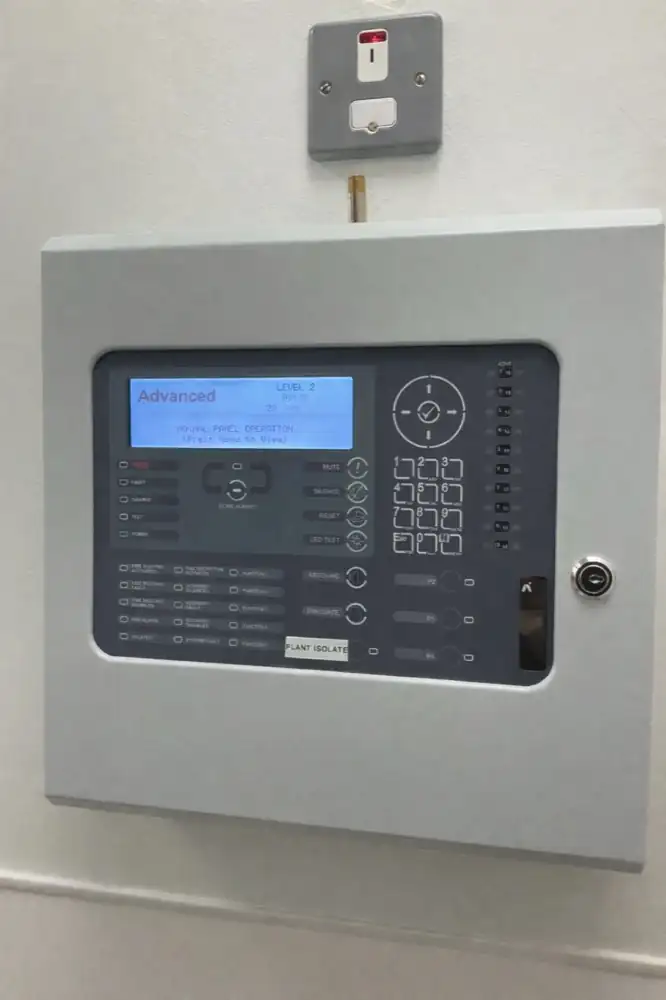
Fire alarms designed, installed and serviced to BS 5839 for the earliest possible warning.
View fire alarms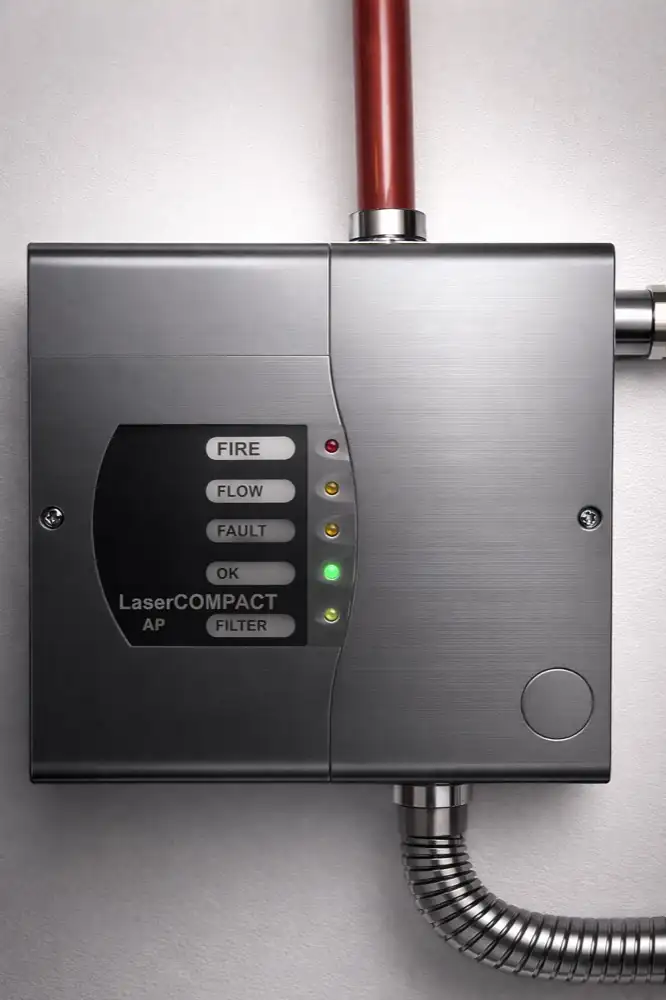
Air sampling detection that picks up smoke long before a standard detector, ideal for critical spaces.
View aspirating detection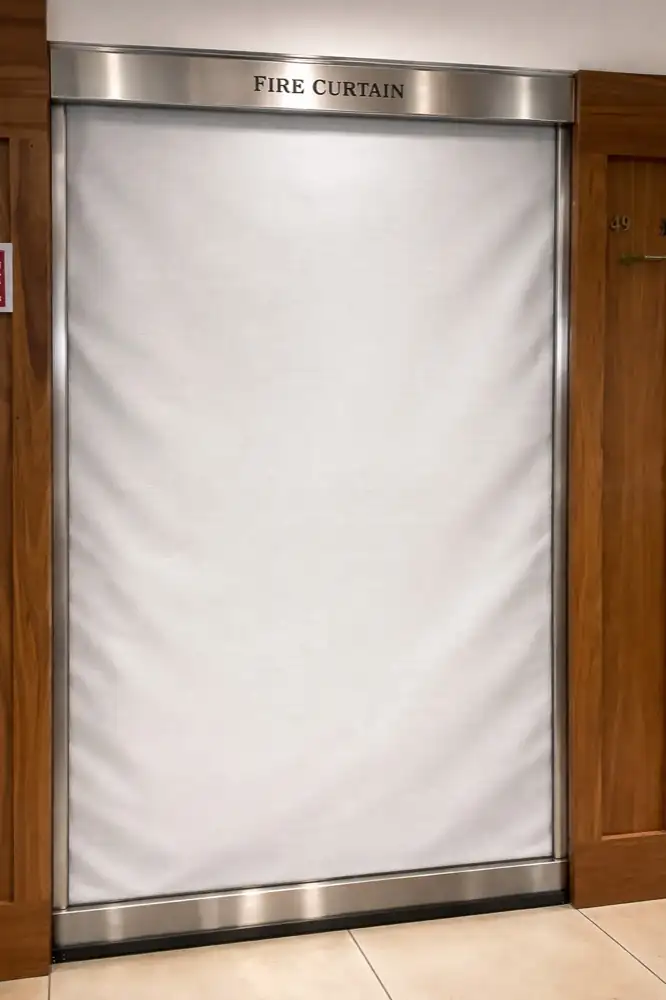
Automatic curtains and shutters that hold back fire and smoke while keeping open layouts open.
View fire curtains
Clear, practical assessments that show exactly where you stand and what needs doing.
View fire risk assessments
Automatic opening vents that clear smoke from stairwells and corridors, keeping escape routes usable.
View smoke vents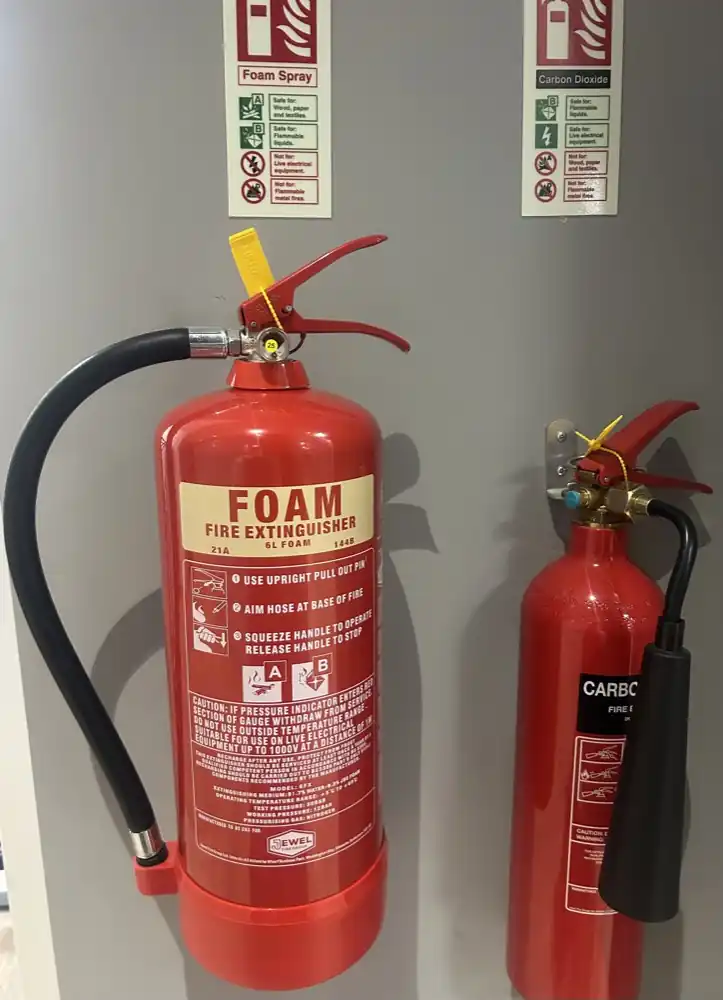
The right extinguishers for your risks, supplied, fitted and serviced every year.
View fire extinguishers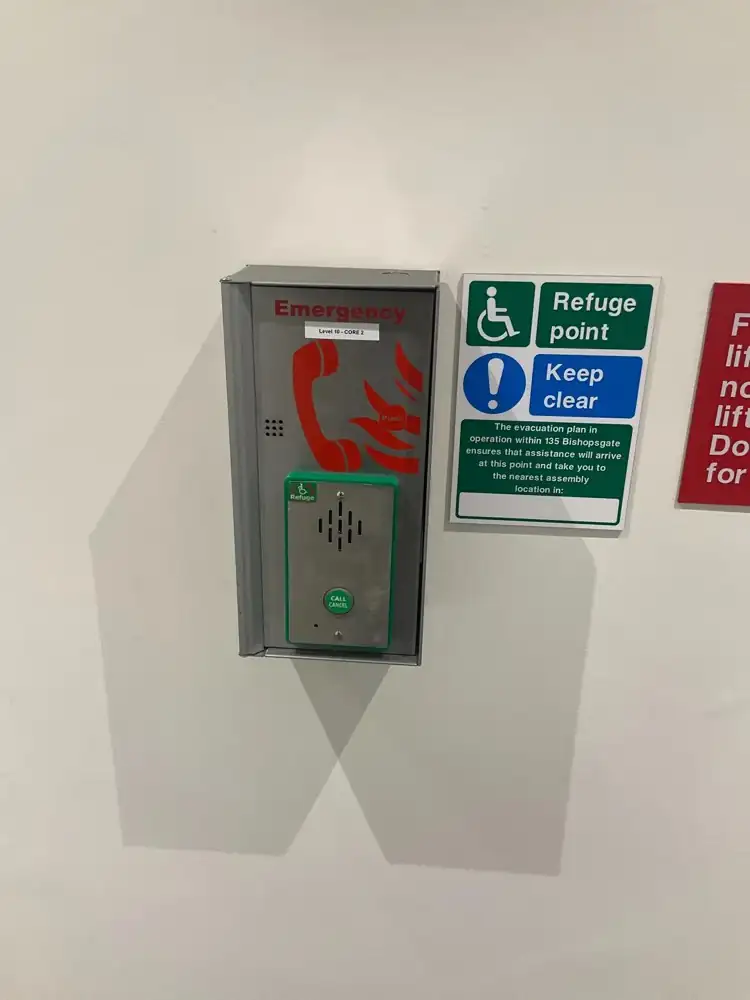
Two-way emergency voice communication so anyone waiting in a refuge can always reach help.
View refuge systems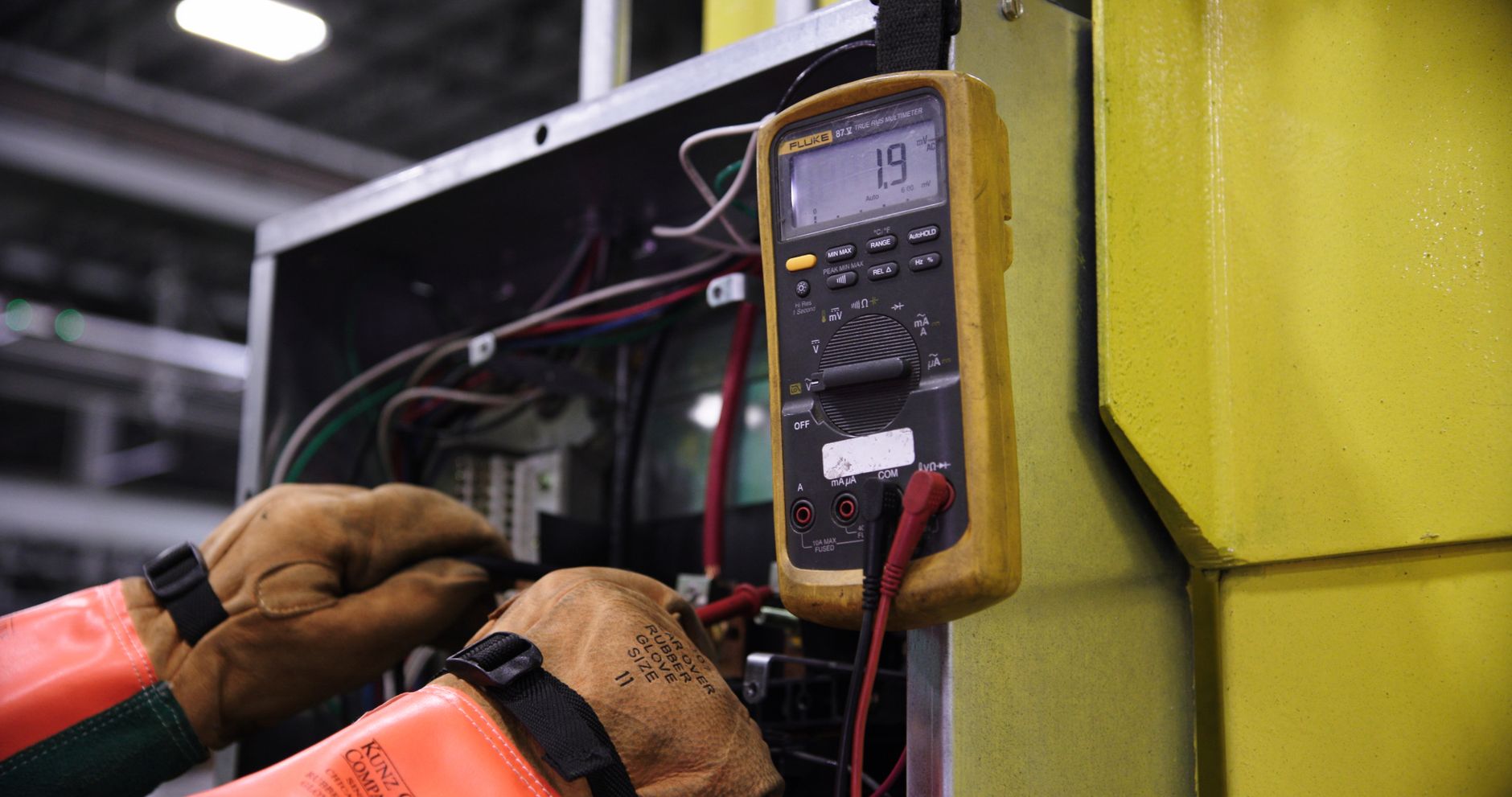
Your alarm, doors, vents, lifts and plant programmed and tested to respond together.
View cause and effects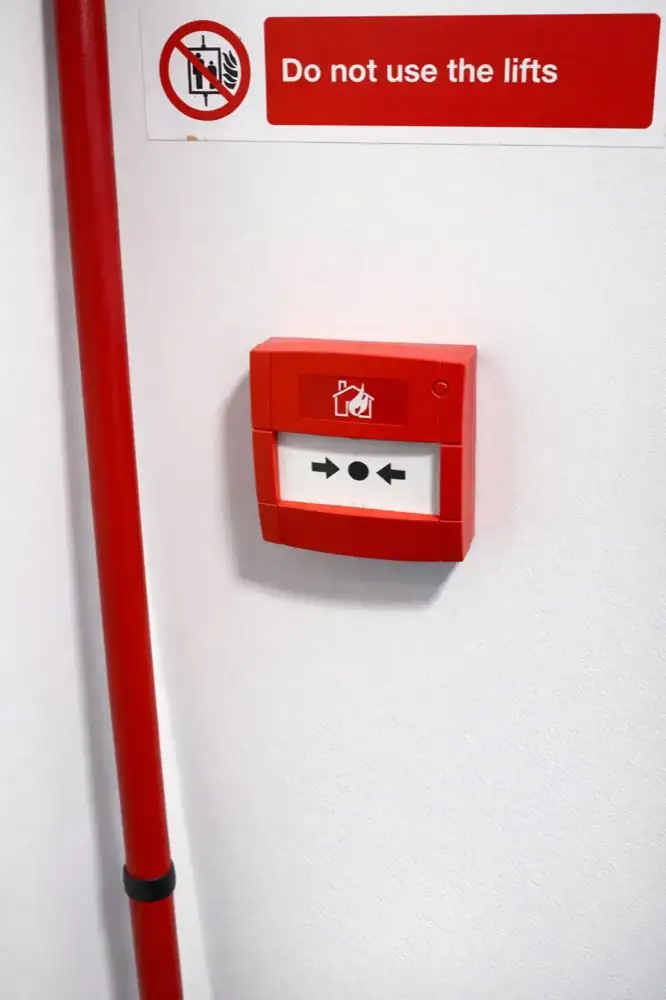
Weekly call point tests carried out and logged for you, so the checks never get missed.
View weekly testing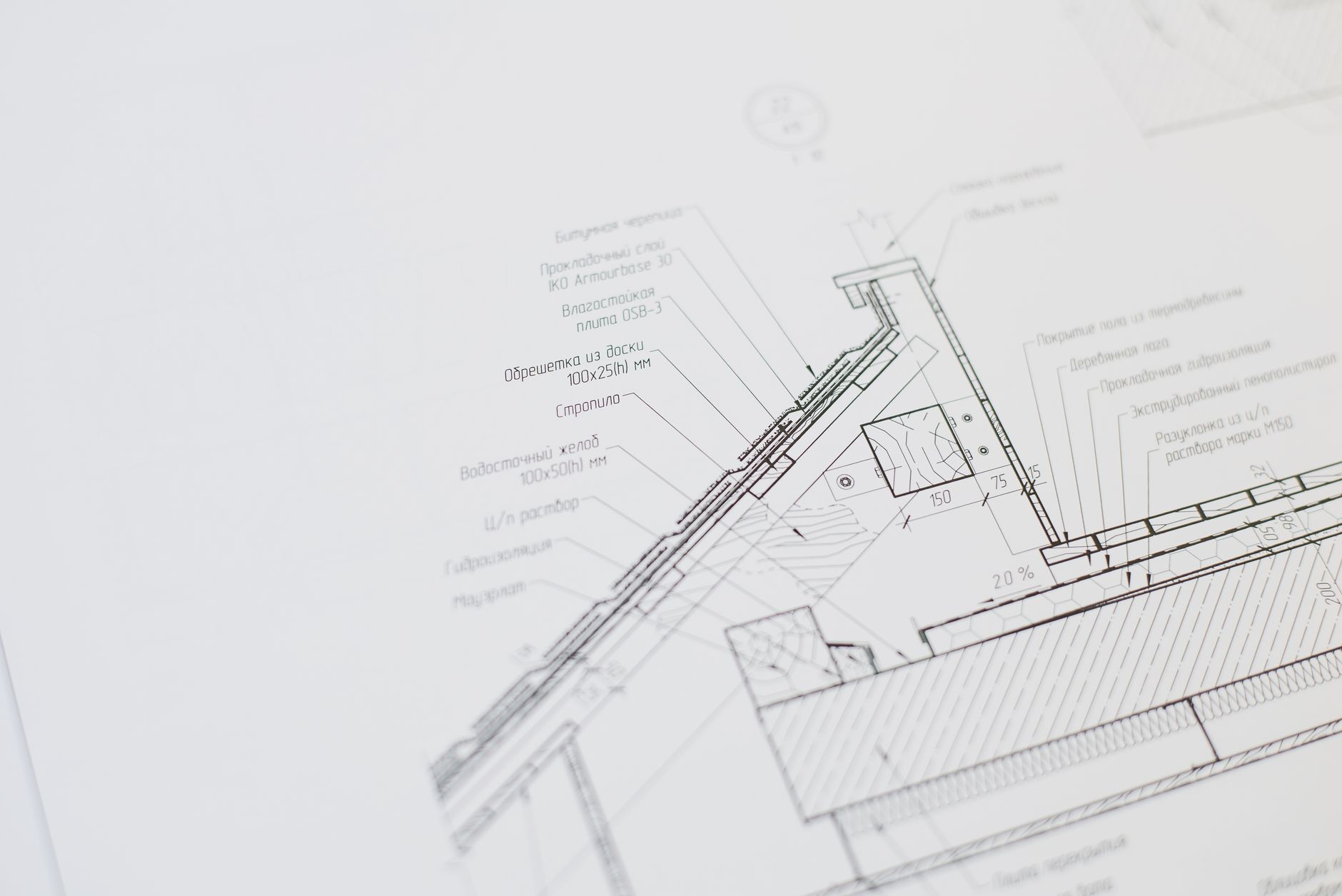
Clear zone plans beside your panel that show responders exactly where an alarm came from.
View zone charts
Wired, wireless and monitored alarms that protect your building, stock and people.
View intruder alarms
HD and 4K cameras with secure recording and remote viewing from your phone.
View CCTV
Sensors and alerts that catch escaping water before it damages your building.
View leak detection
Quick, tidy fixes for the actions raised in assessments, inspections and service visits.
View remedial works